
It’s been a while since I visited Cartago (since before the pandemic) so it was time.
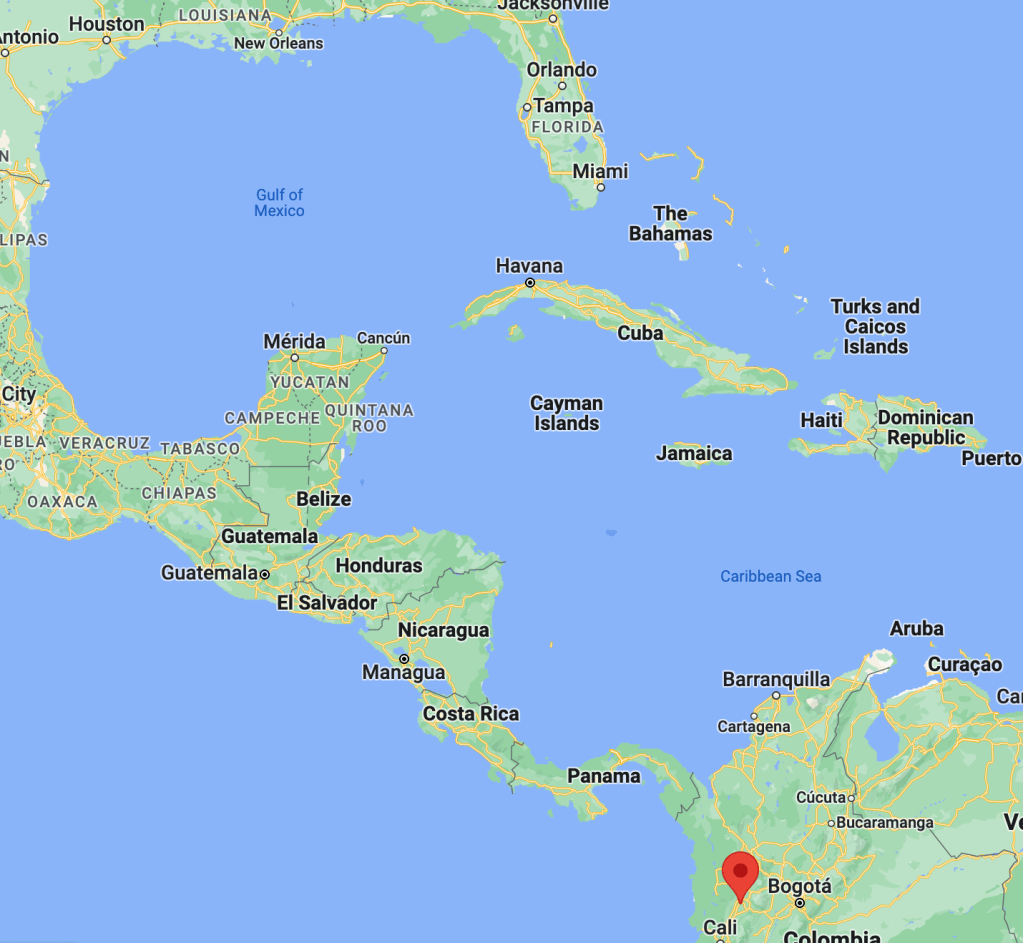
Cartago, in the southwest of Colombia.
Cartago is a town in southwest Colombia that is considered Colombia’s Embroidery Capital. Cartago’s most traditional style of embroidery is Calado which translates to openwork. Calado is a type of drawn thread embroidery (deshilado) and it also encompasses tape lace (encaje de sesgos.)
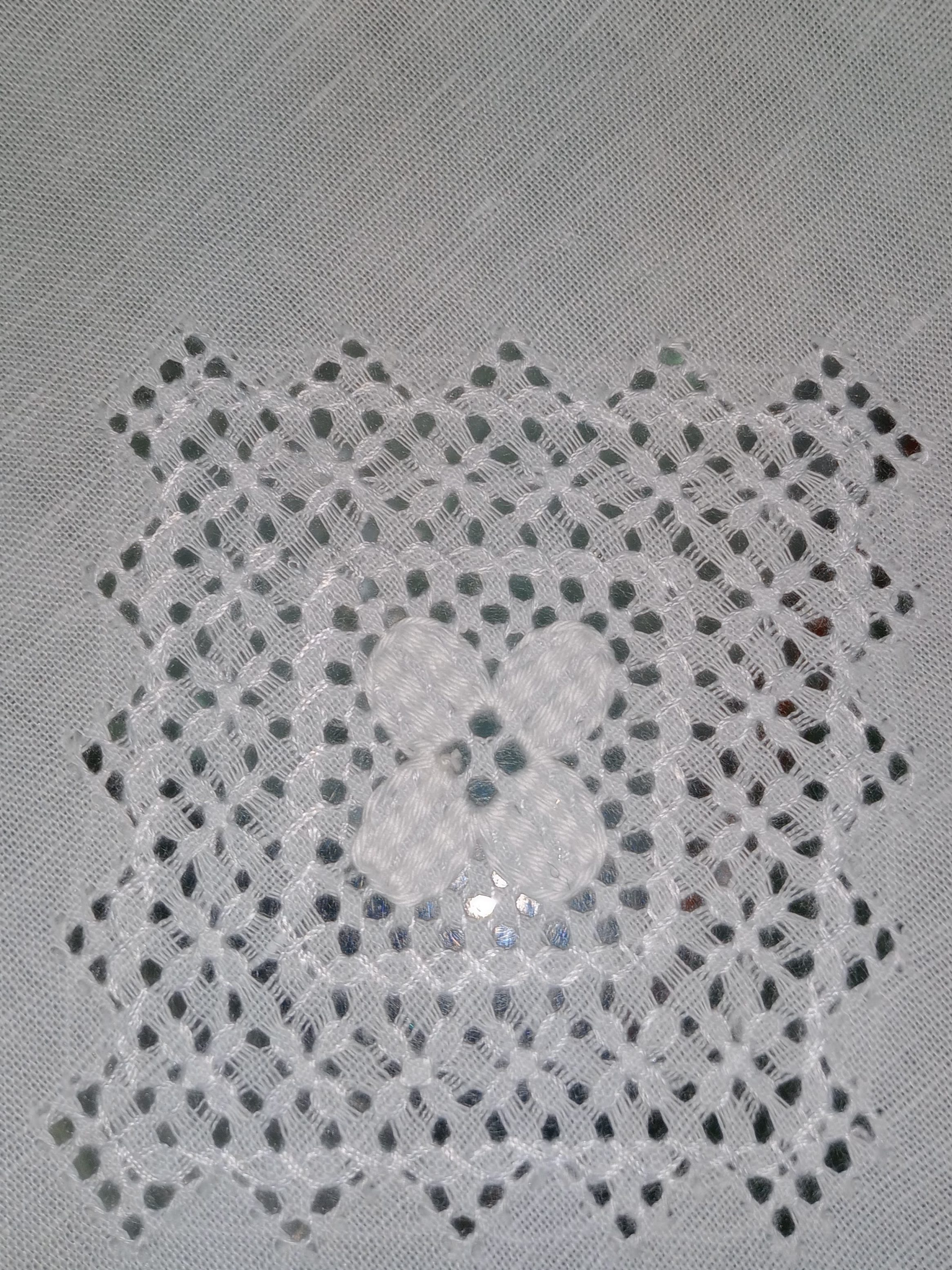
Cartago Openwork/Drawn thread (calado de Cartago.)
The best way to get to Cartago from the US is to fly. There is an American Airlines flight from Miami to Pereira’s Matecaña airport almost every day. From Pereira, ground transportation to Cartago can be arranged; it’s roughly 45 minutes away.
The Wow Company offers very interesting tours so I decided to take two of them:
- The artisanal experience (Experiencia artesanal)
- The courageous city of Cartago (La valiente ciudad de Cartago)
Artisanal Experience
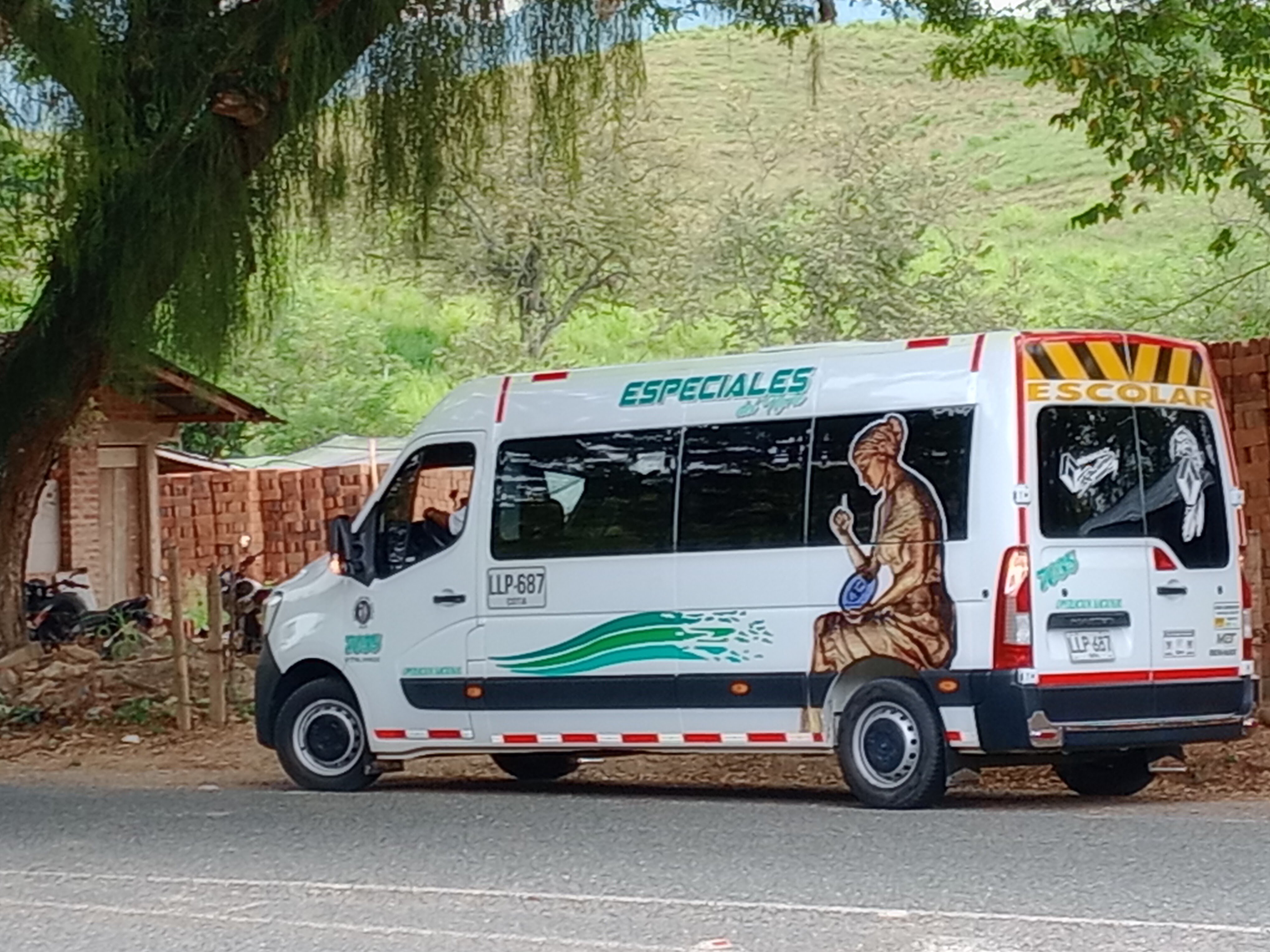
The embroidery tour bus
We were collected in a mini-bus, about 15 of us, bright and early at 8:30 am, and were driven to the nearby town of Ansermanuevo, where most of the embroiderers live.
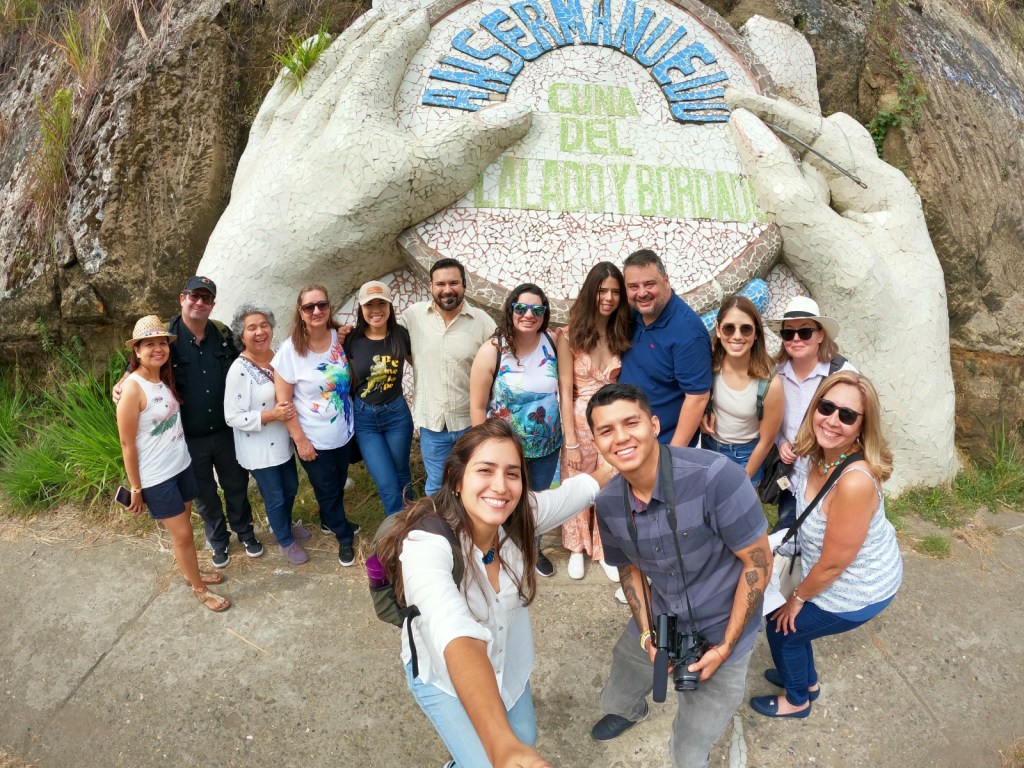
Ansermanuevo, cradle of Drawn thread Embroidery (Cuna del Calado y Bordado.) Sign outside of town: an embroidery frame, hands and a needle.

Ansermanuevo, cradle of Drawn thread Embroidery (Cuna del Calado y Bordado.) Sign outside of town: an embroidery frame, hands and a needle.
Casa Victoria
Casa Victoria Association in Ansermanuevo
Our first stop was at Casa Victoria Association where Lina Medina told us about their work.

Lina Medina explaining Casa Victoria’s mission and teaching us how to draw threads from fabric using a piece of jute.
Casa Victoria is an association by embroiderers, for embroiderers.
Lina told us that the typical embroiderer only makes about $250,000 pesos a month (US $62.50 as of 8/5/2023) from embroidering.
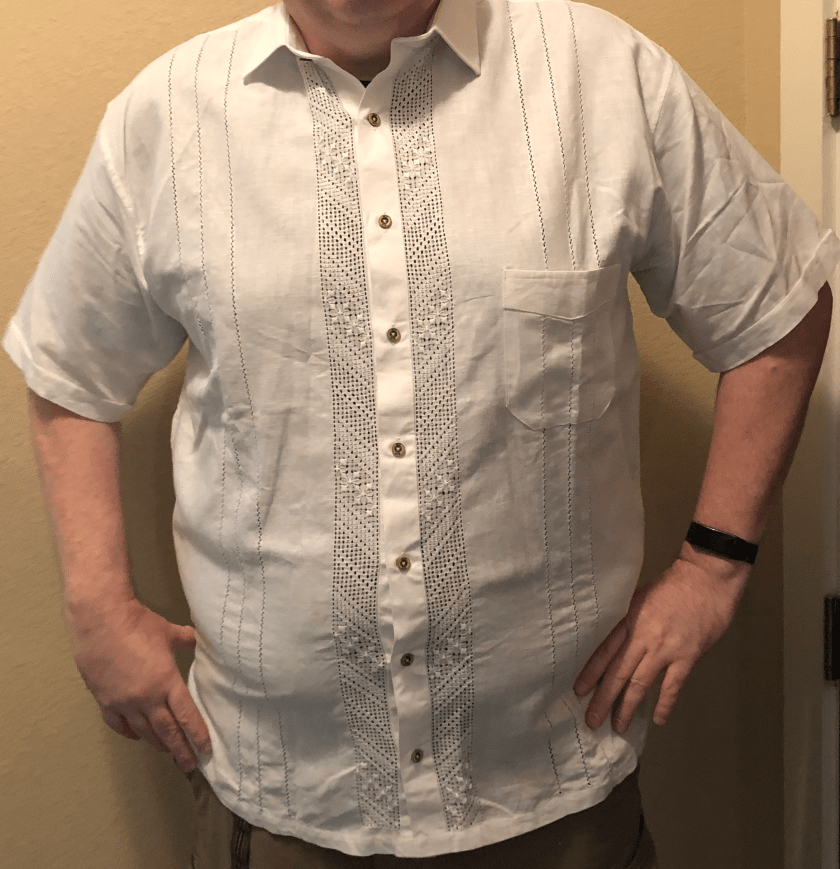
The typical guayabera (Caribbean/Cuban shirt)
The typical guayabera (Caribbean shirt) costs $250,000 pesos at a shop in Cartago. The embroiderer only makes $18,000 pesos for embroidering the side panels (both of them!) of the guayabera. That is three days worth of effort that net the embroiderer only 7.2% of the final cost of the shirt.
| Average Embroiderer’s Income | Colombian Pesos | US Dollars |
| Monthly income | $250,000 | $62.50 |
| Income from one embroidered shirt | $18,000 | $4.50 |
| Time taken to embroider panels for shirt | 3 days |
| Percentage of sale price that goes to the embroiderer | 7.2% |
Casa Victoria aims to make sure their embroiderers get paid at least $30,000 pesos (US $7.50) per shirt.

Learning to draw threads from a piece of jute fabric.
Ansermanuevo Culture House
The next stop was at the Ansermanuevo’s Culture House.
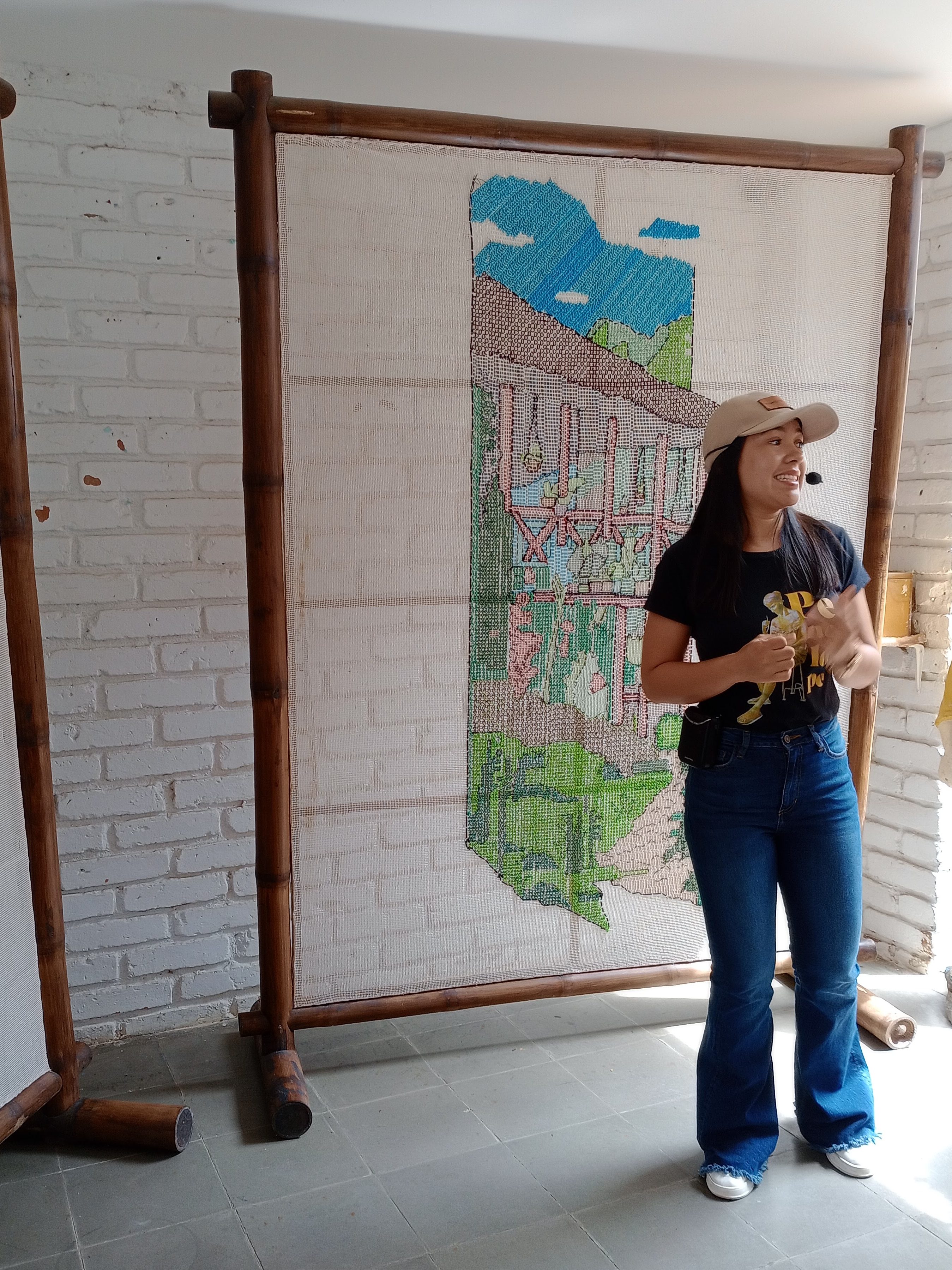
Carolina Restrepo at the Ansermanuevo Culture House.
Carolina Restrepo told us about her work teaching the local children to embroider and make embroidered murals on chicken wire.
Given how poorly paid the embroiderers are, many mothers do not encourage their children to learn. Carolina wants to make sure the next generation does not stop embroidering. This is their town’s tradition, and even if they choose not to pursue it as a source of income, they could still practice it as a traditional pastime and artistic endeavour.
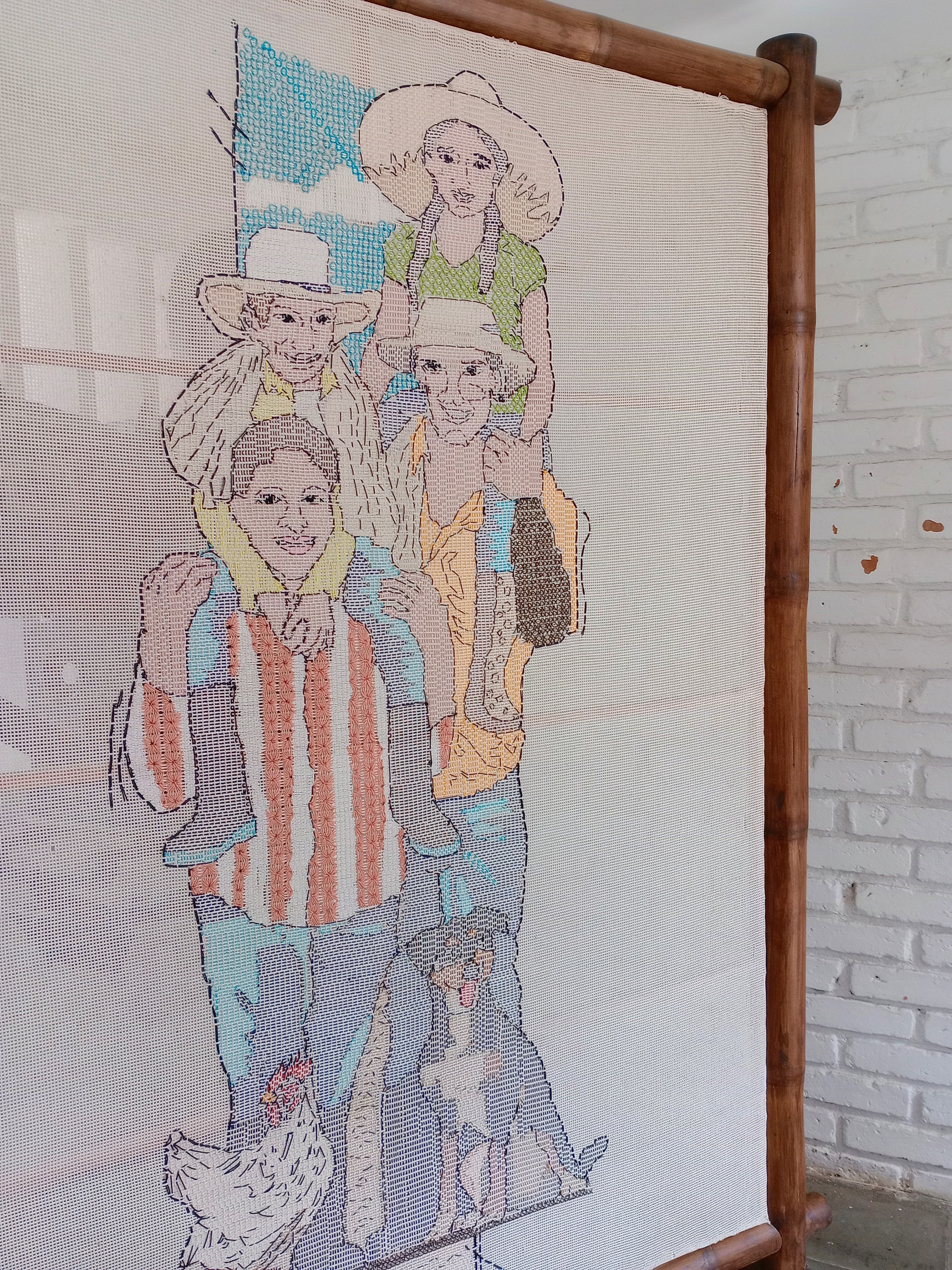
Embroidered murals on chicken wire.
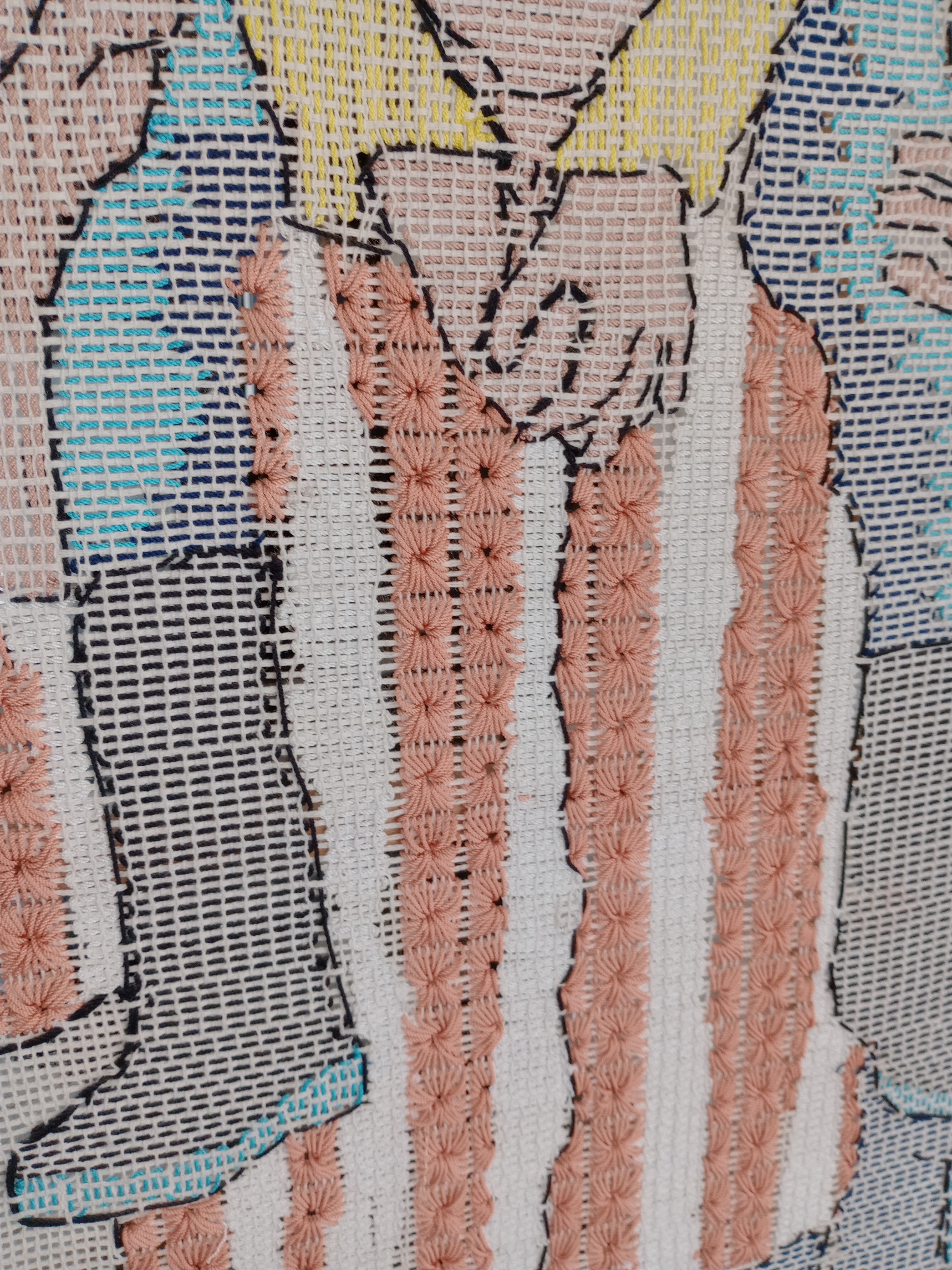
Close-up of one of the embroidered murals
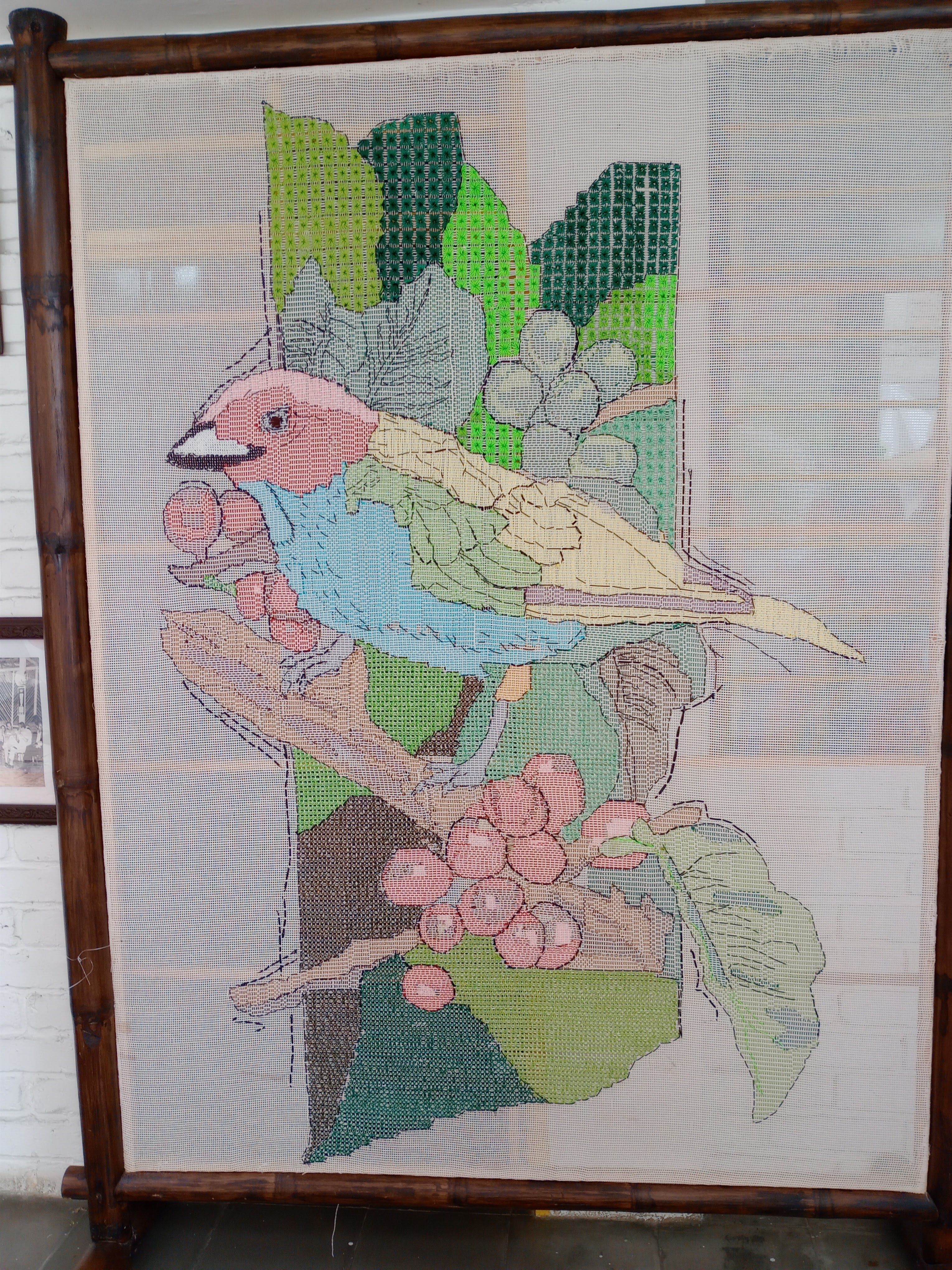
Embroidered mural of a local bird, a troupial (Icterus icterus), on a coffee plant.
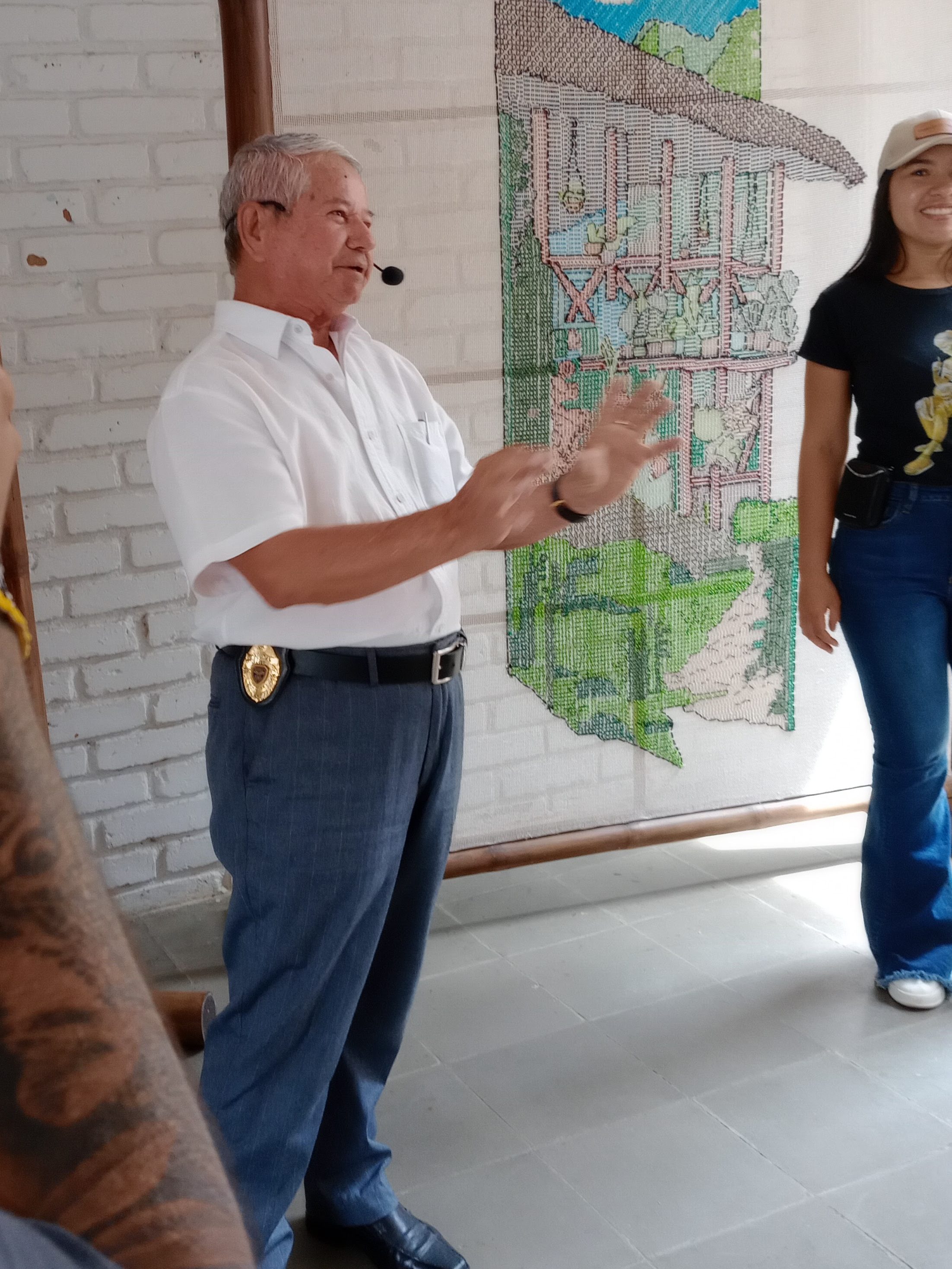
Captain Córdoba, from the local fire department, regaling us with his poems about Ansermanuevo and its embroiderers.
Calado Lesson at Fatima School
The next stop was at the Fatima parish school for a lesson in embroidery history.
Embroidery was introduced to the region by the Vicentine and Franciscan religious communities in the late 1800s (19th) century when they arrived to open schools for girls.
The sisters made sewing part of the curriculum. Calado (drawn thread) was part of the course so they could make household and church linens.
With time, the Cartago and Ansermanuevo women developed a unique style which was then sold to others outside their households.
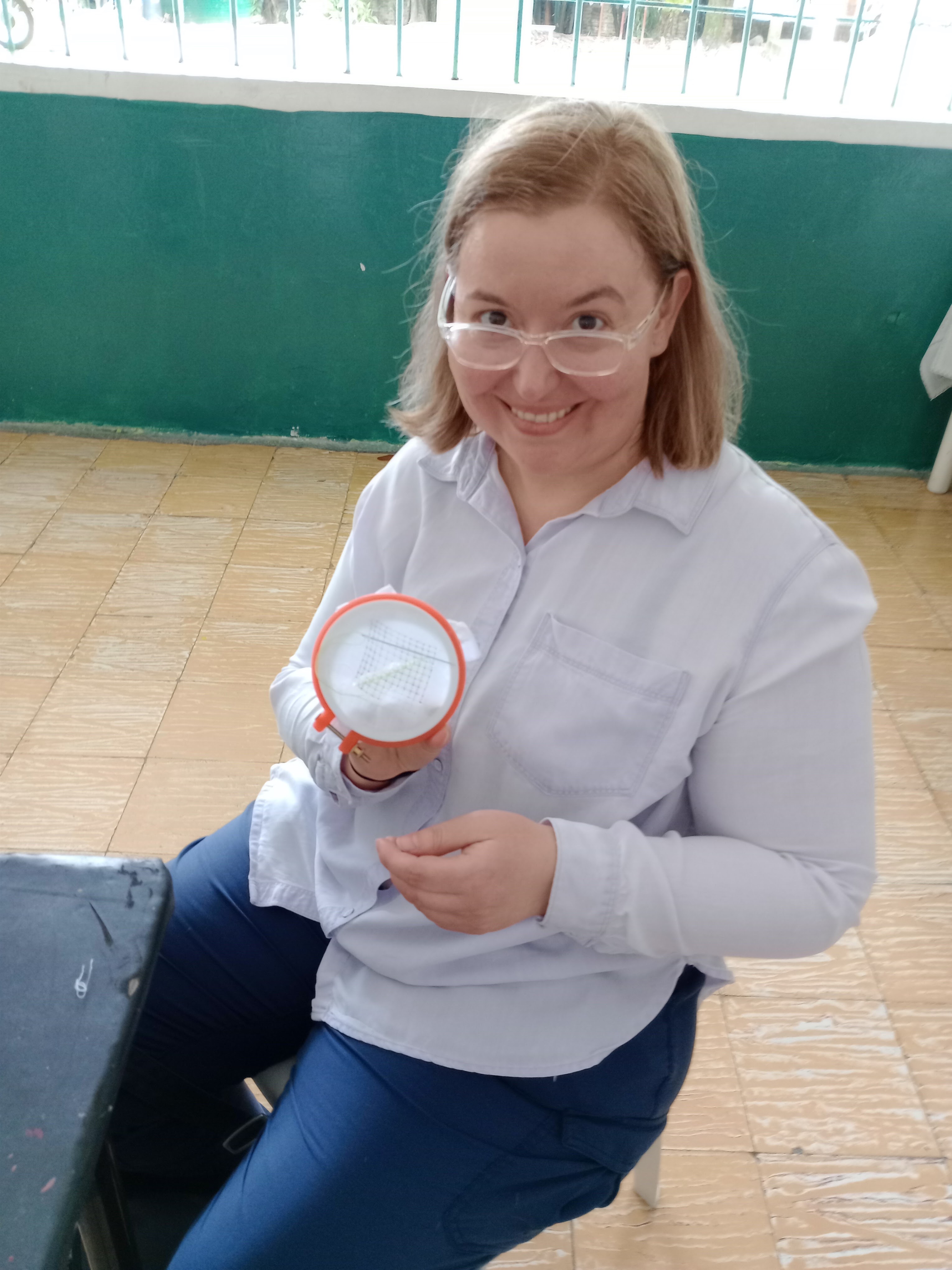
Calado lesson
We were taken to a classroom with embroidery frames containing fabric with the threads already removed forming a grid. We were taught some basic stitches (grid and cross.) We were given very nice coffee and snacks.

My calado effort was put into an ornament. Great souvenir.
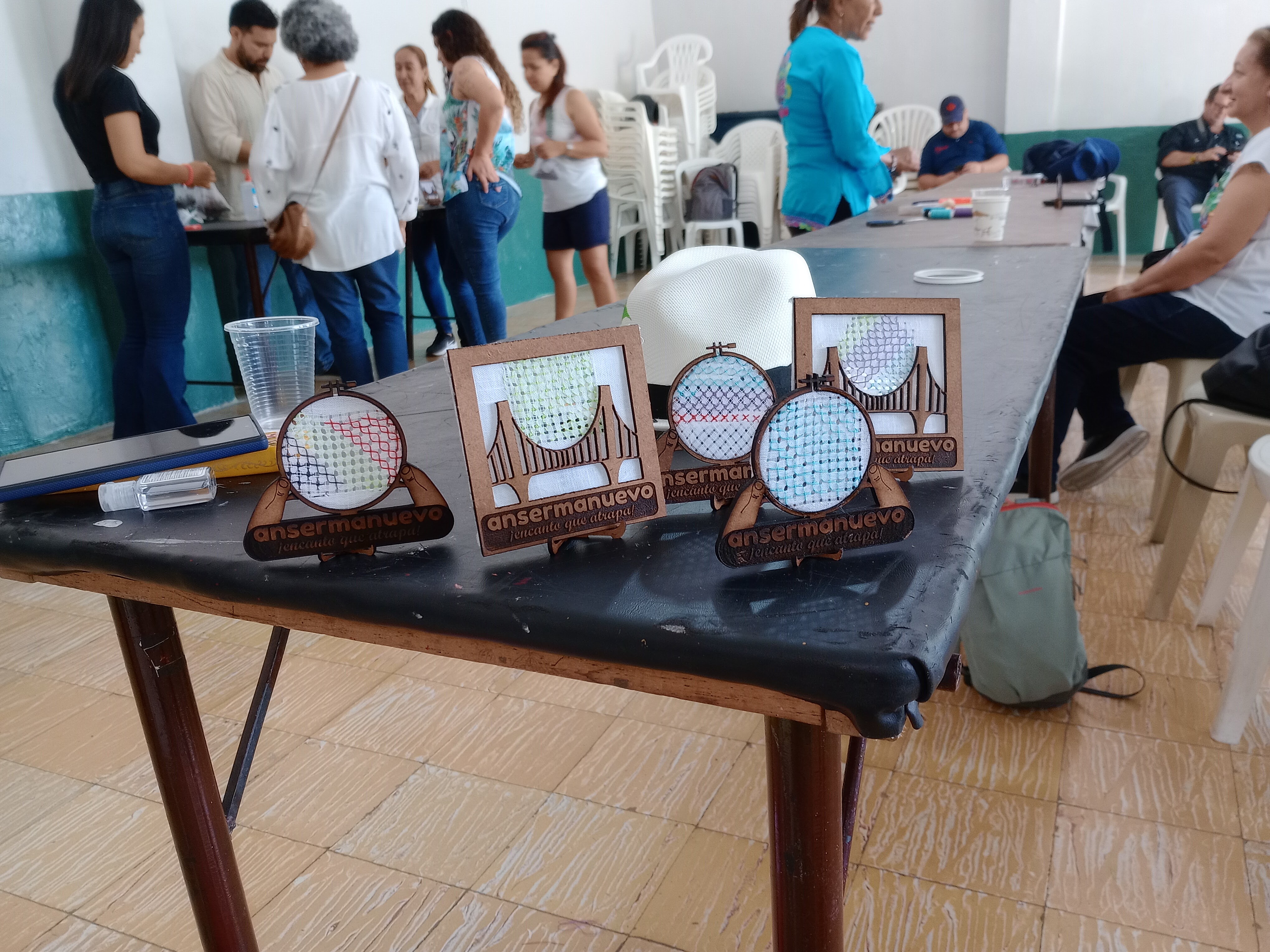
Class members’ finished ornaments.
Back to Cartago and Lunch
We were then driven back to Cartago in the embroidery bus and taken to Casa Vieja restaurant where the specialty is pork cutlet by the meter (three feet.)
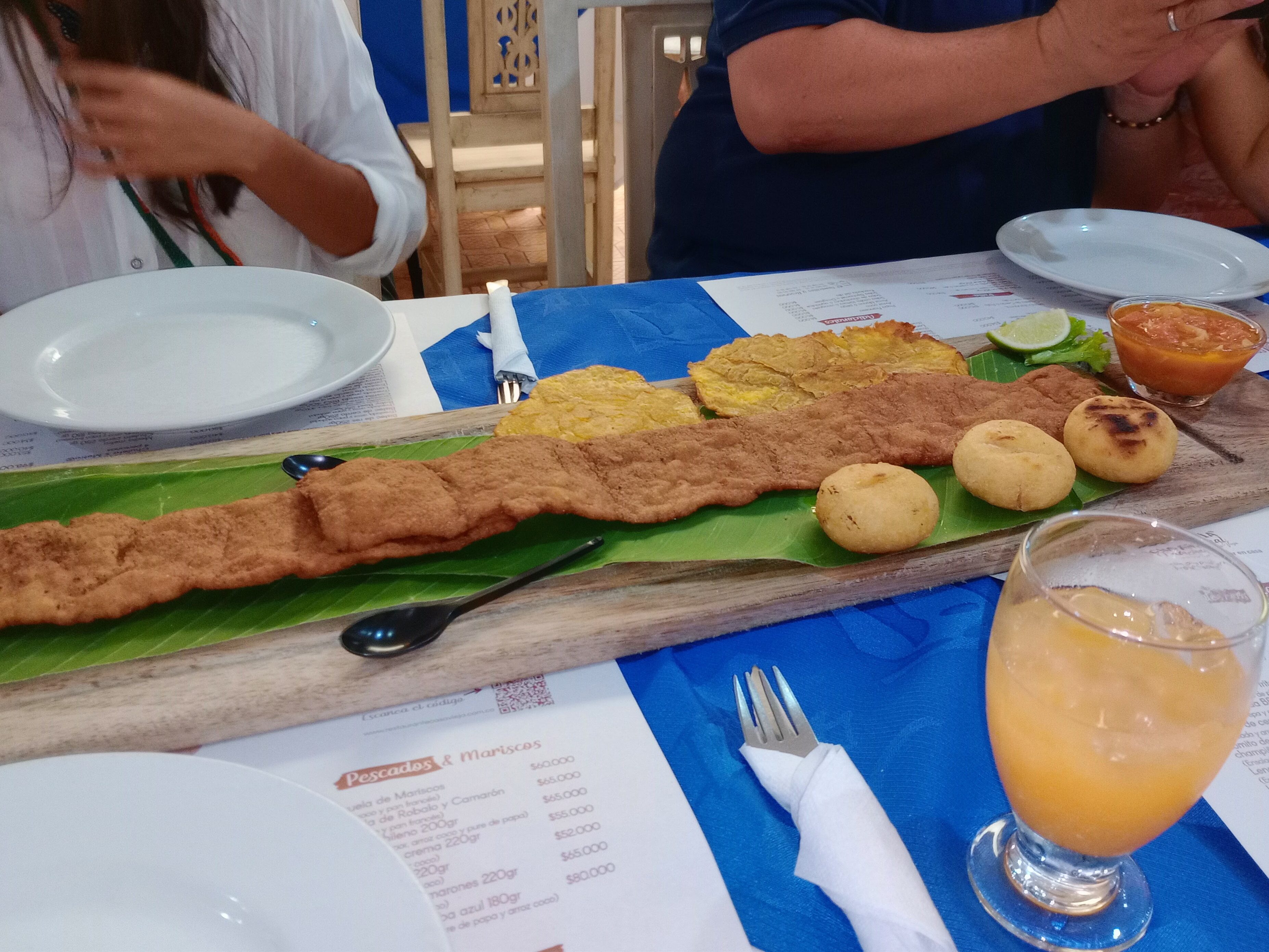
Cutlet by the meter (chuleta por metro) at Casa Vieja in Cartago.
Visiting Penelope
We went to visit Penelope next.
Penelope is the name given to the statue made by Carlos Tulio Suarez and Margarita Gamboa (the tape lace) to honor Cartago’s embroiderers. She resides in front of city hall.
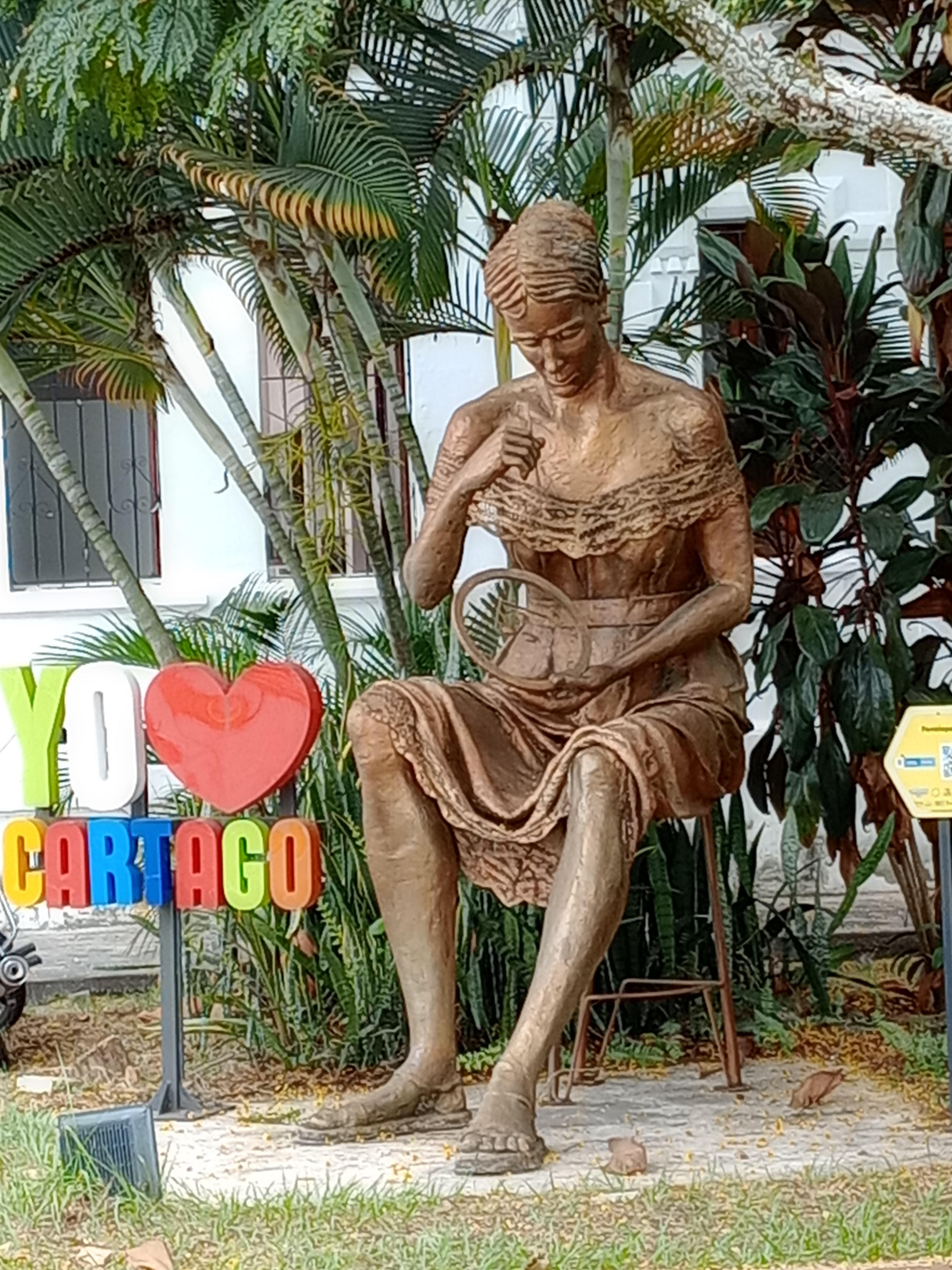
Monument to the Embroiderer
Her name comes from the character in Homer’s Odyssey. The queen of Ithaca would weave during the day and undo her work at night in order to delay having to marry one of the many suitors requesting her hand thinking her husband dead.
Embroidered Graffitis
On to the Comuna One, commonly called the Sandpit (la Arenera.) This working class neighborhood was founded by sand extractors (sand to be used for construction) and embroiderers.
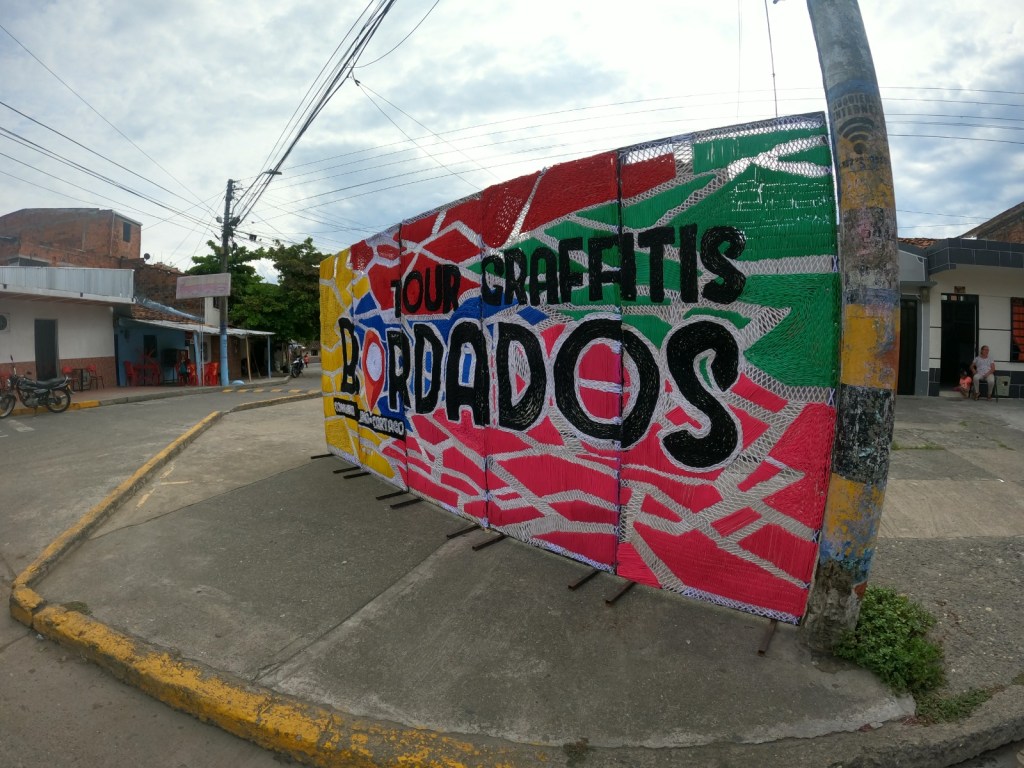
Embroidered Graffitis Tour
Carolina Restrepo took us through the streets and showed us the embroidered graffitis made by the neighborhood’s children.
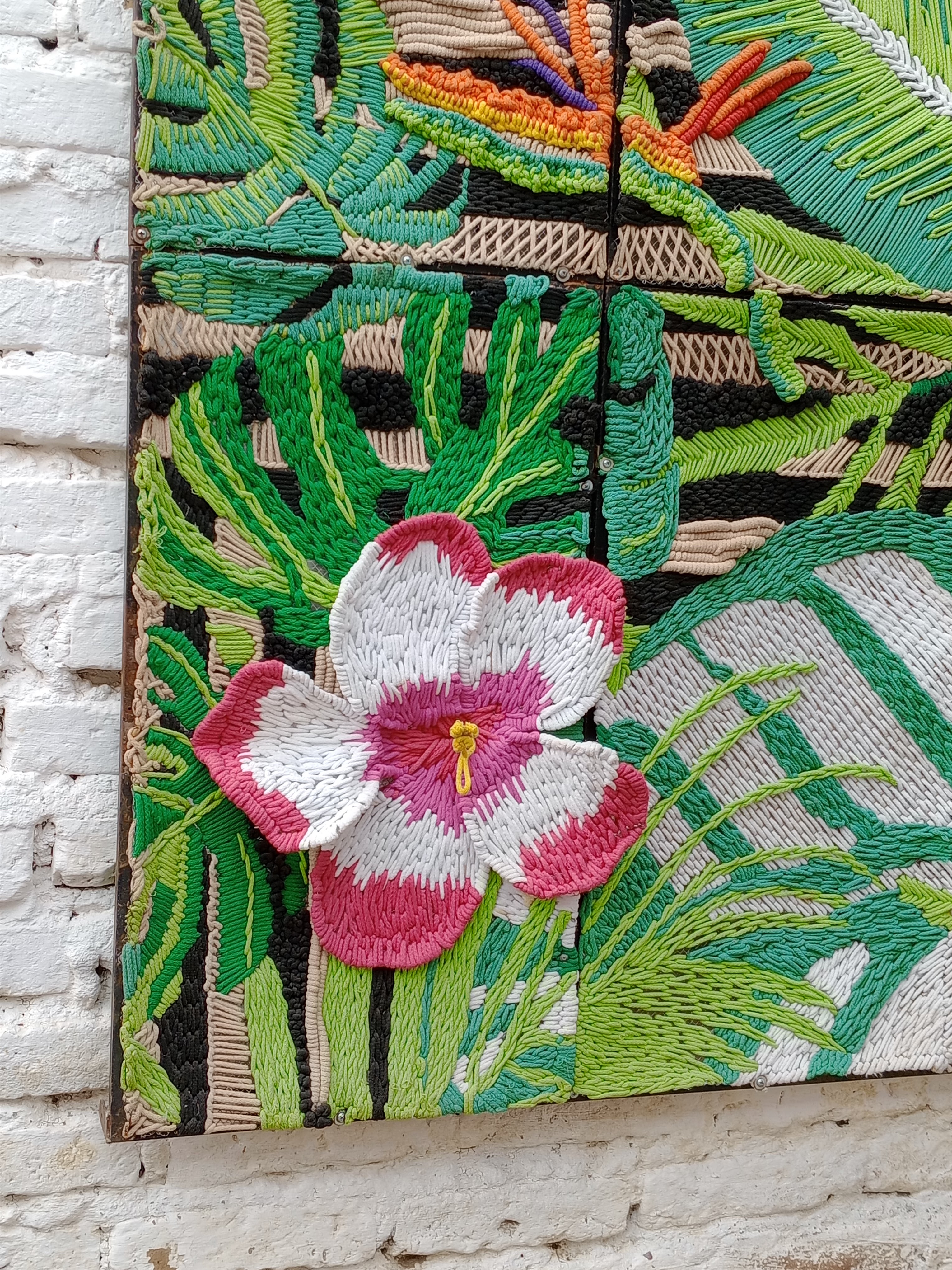
Embroidered graffiti with a stumpwork flower.

Tribute to Leo Graff
One of the big graffitis is a tribute to local musician Leo Graff. One of his songs celebrates the culture of the Arenera neighborhood by mentioning that in every house there is at least one embroiderer (en todas las casas por lo menos una borda.)
After his death, his son made a music video of his song, Arenera, showing the local embroiderers.
Music video by Leo Graff’s son – tribute to the Arenera neighborhood.
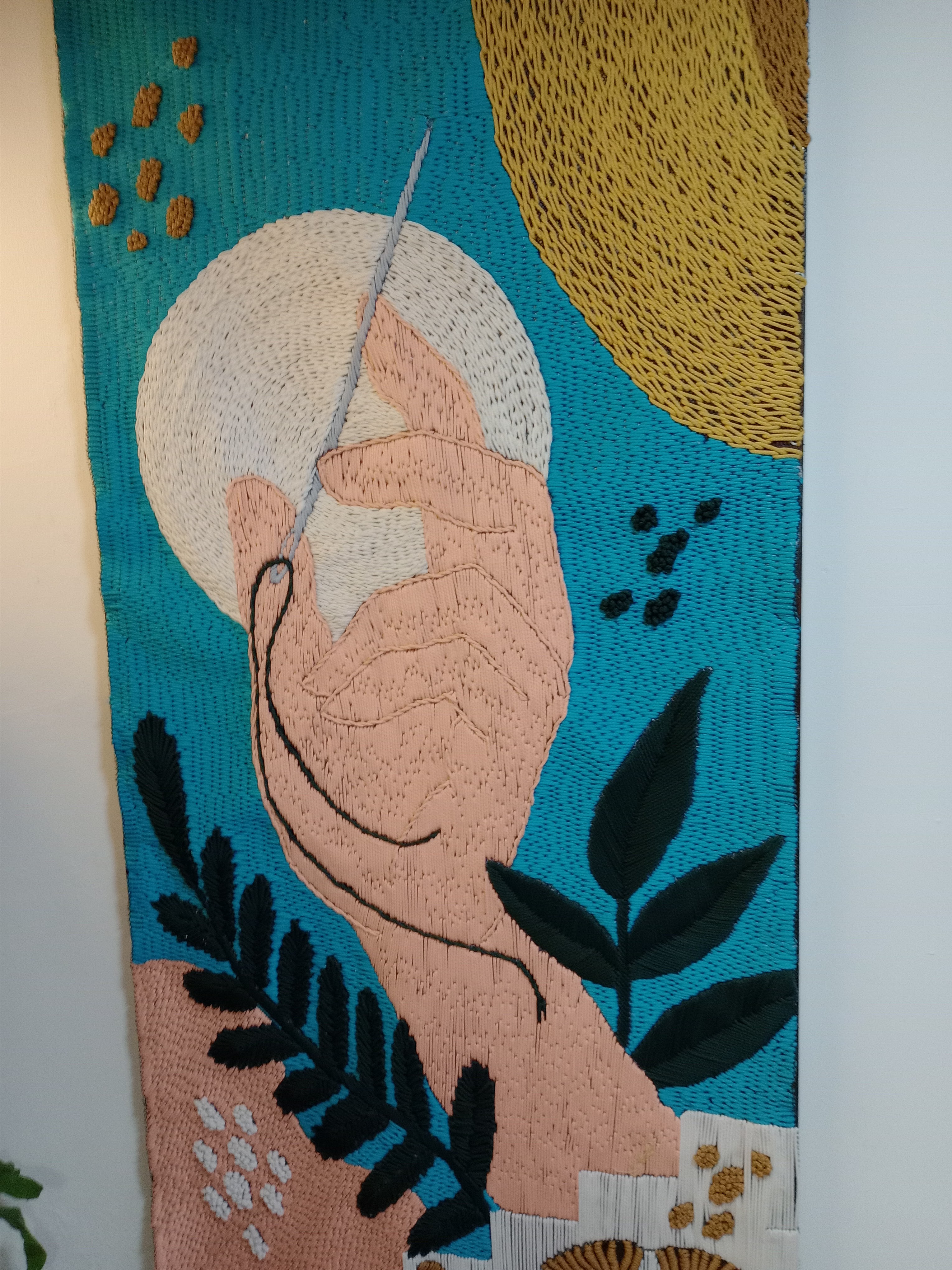
Another embroidered graffiti.
Surface Embroidery Class
We then went to Nancy Zúñiga’s house (Carolina Restrepo’s mother) for a class on surface embroidery.
Her house is by the river with lots of plants. We were offered coffee and snacks.
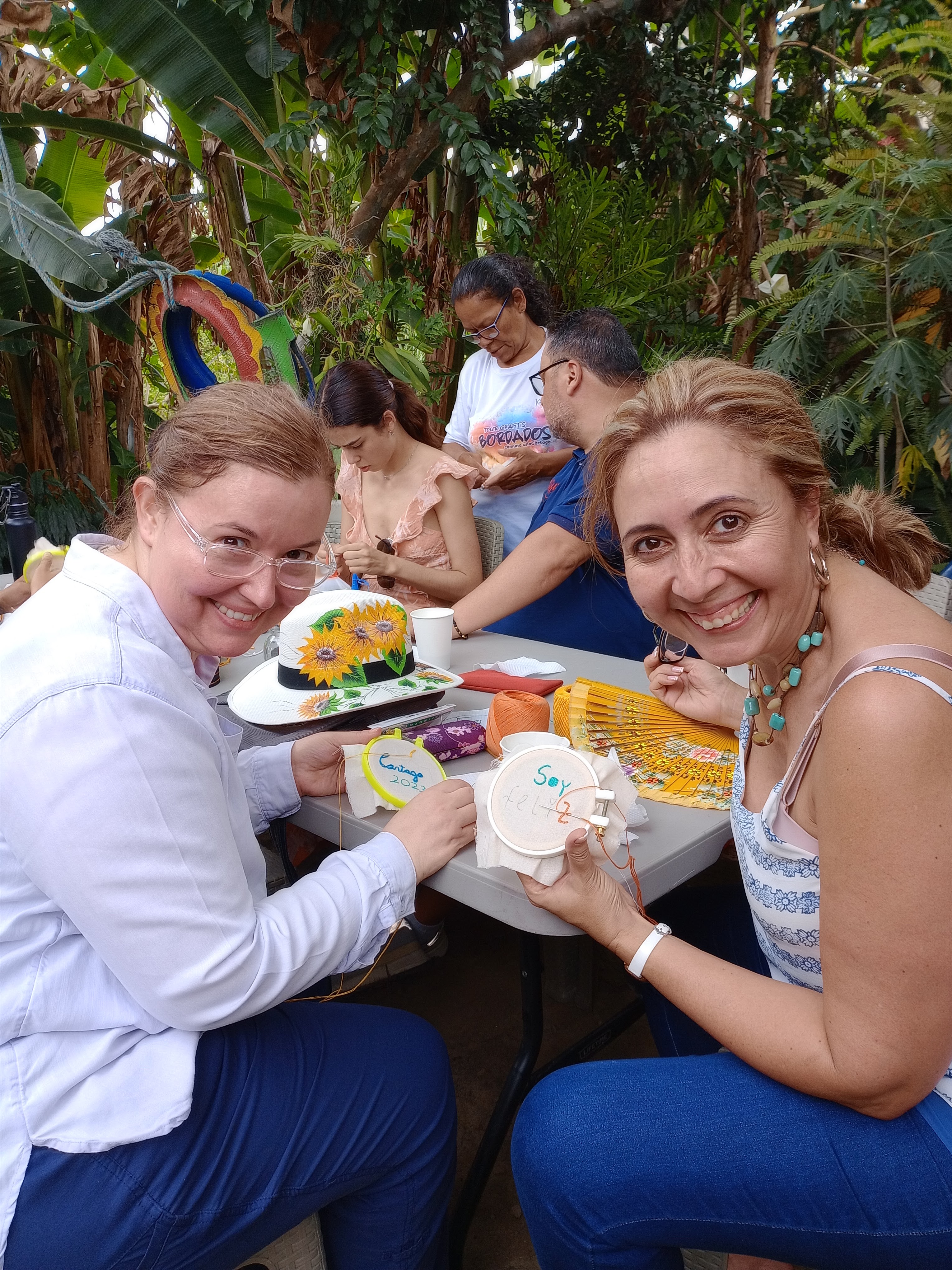
Surface embroidery class at Nancy Zúñiga’s house
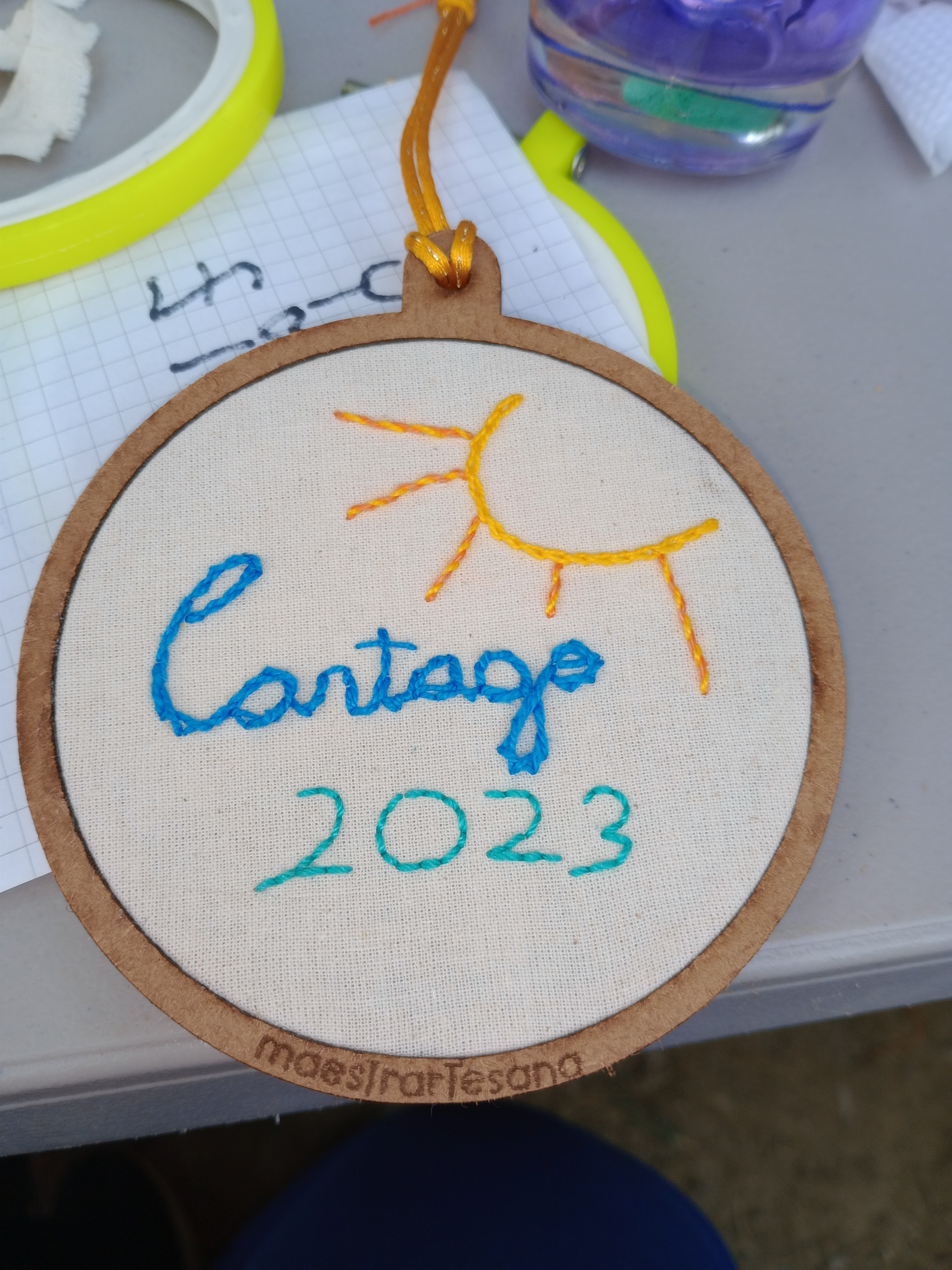
My project turned into an ornament.
The embroidery tour was great! We learned a lot about the history of the area, its embroidery culture and the embroiderers. It was very well organized and safe.
It is definitely geared towards textile newbies. One person did not know the difference between weaving and embroidery and he walked away with self-made projects using drawn thread (calado) and surface embroidery.
But seasoned embroiderers will enjoy the history and the embroidery culture. There are references to embroidery everywhere in both towns. In the embroidered graffitis tour, a lady opened her door as we were passing by and we saw her embroidering a shirt. We said hi to her and her dog and she sold us yummy fruit ice creams. Mine was lulo fruit (Solanum quitoense.)
Share this:


 Empty Thimble