
The Courageous City of Cartago
The next tour I took with WowCo was about the history of the city of Cartago, la valiente ciudad de Cartago.
Park of the Journalists (Parque de los Periodistas)
We met at the Park of the Journalists, next to the I love (heart) Cartago sign.
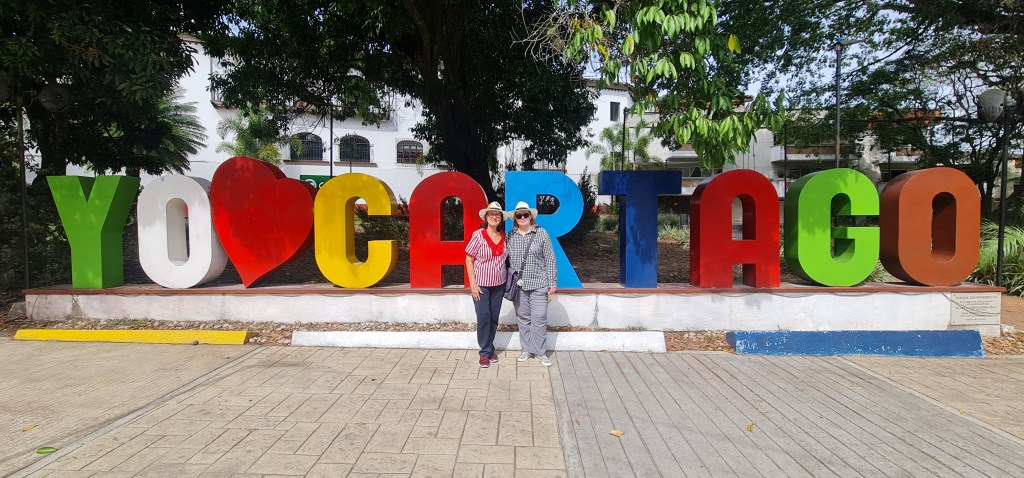
Isleta Park (Parque de la Isleta)
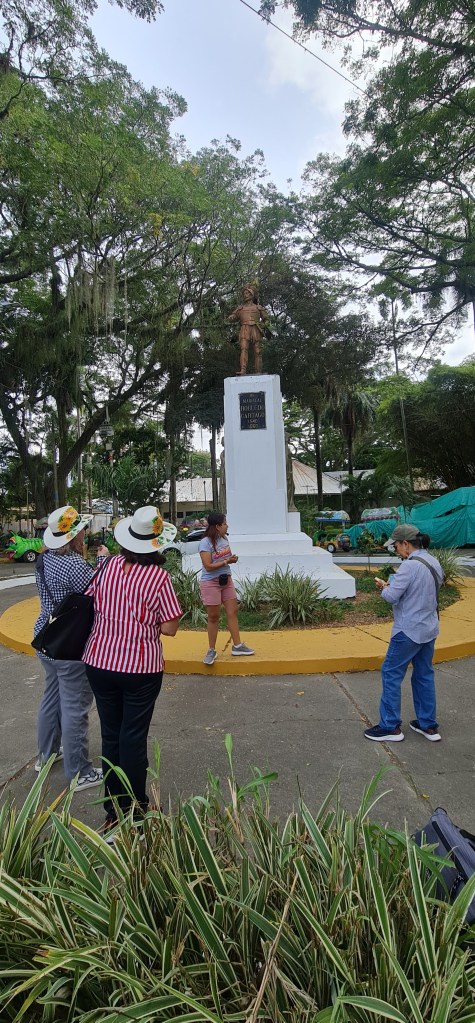
Monument to Cartago’s Founder, Marshall Jorge Robledo, Isleta Park.
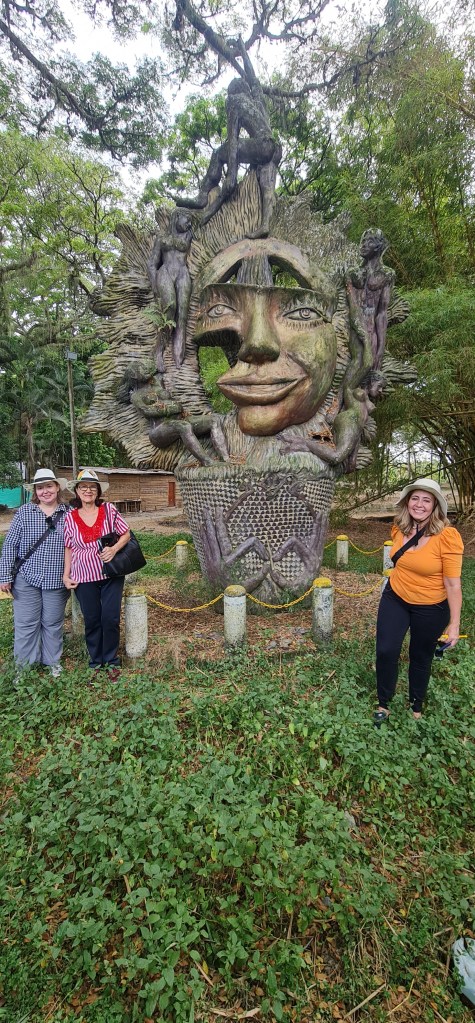
Monument to the Sun, Isleta Park.
Old Railway Bridge, Crone River (Puente del Ferrocarril, Río La Vieja)
The river that passes through Cartago is called La Vieja, meaning the old lady or crone. It received this name because of a story written in the book Elegías de Varones Ilustres de Indias (Stories of Illustrious Men of the West Indies.) Captain Miguel Muñoz arrived to the area of the river that would be called the old lady/crone in 1536. He found an elderly indigenous woman dressed in fine gold jewelry. So the foreigner proceeded to steal the lady’s jewels and kill her by throwing her into the river.
There is a movement retelling the story from the elderly lady’s perspective and make her anonymous no more. They call the river Tata Yamba, meaning Yamba’s mother. This references Quimbaya Chief Yamba and imagines that it was his mother who was assaulted and killed by the Europeans.
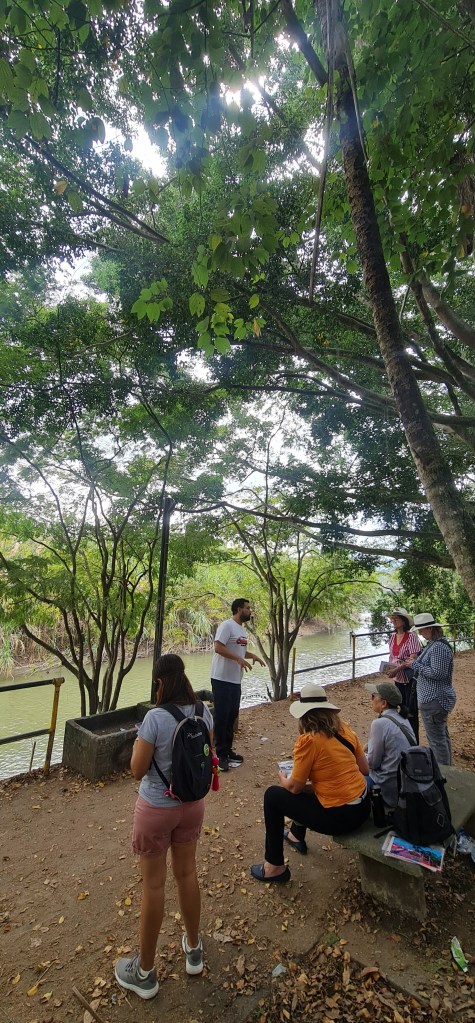
Crone/old lady (La Vieja) River. Andrés Felipe Castaño from WowCo leading the tour.
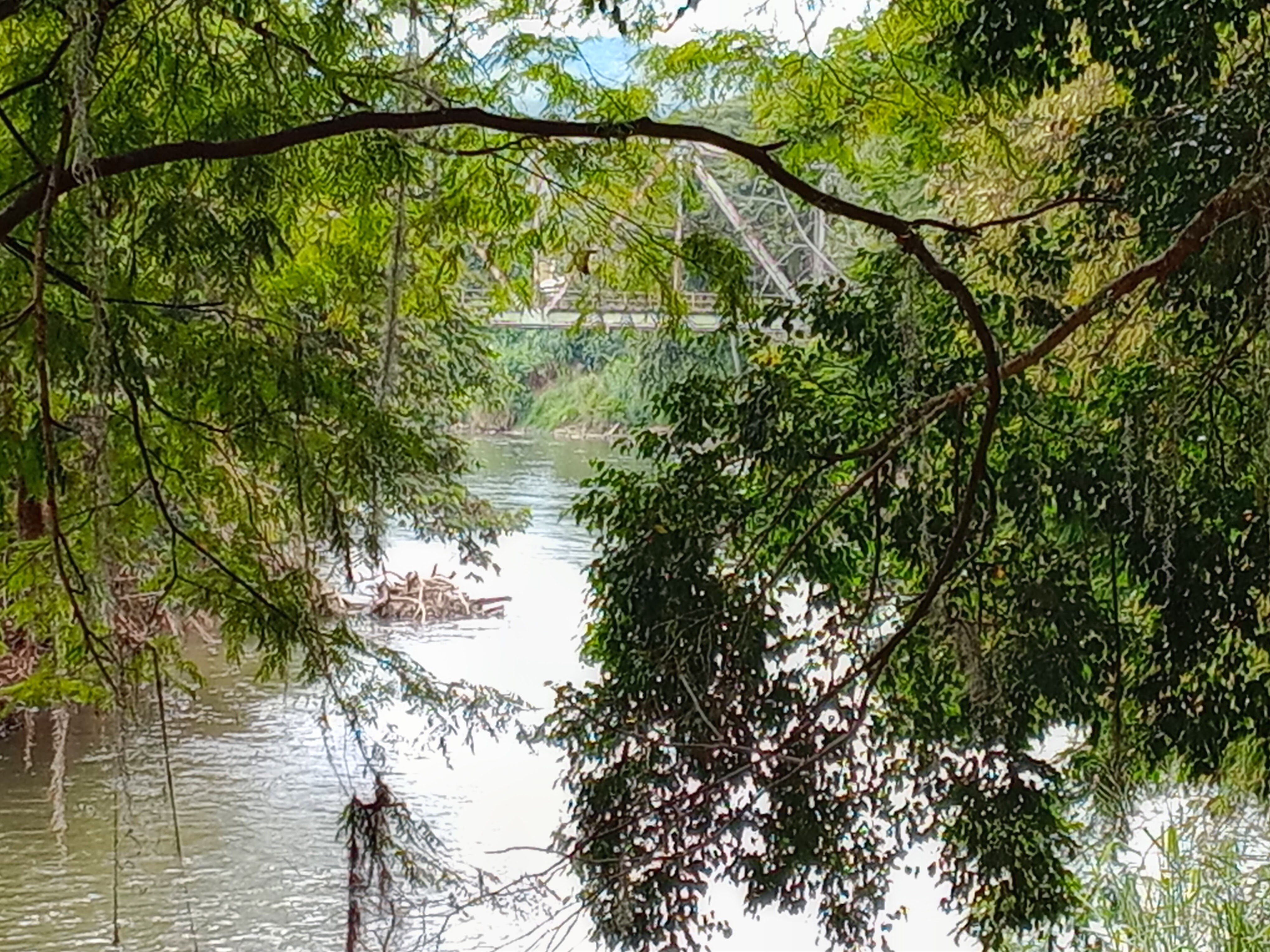
Old Railway Bridge.
We found some new embroidery-themed floor paintings and graffitis on the way.
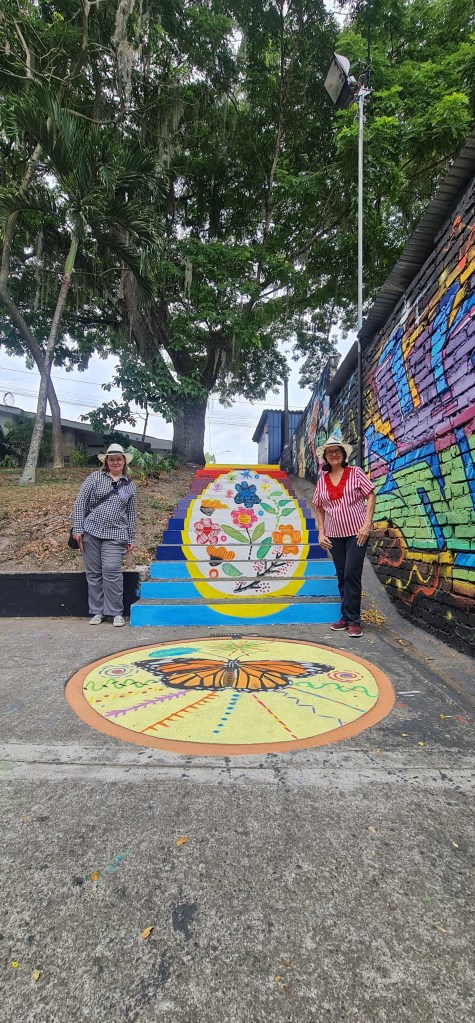
Embroidery-themed paintings and graffitis
Pedro Morales Pino Plaza (Plazoleta Pedro Morales Pino)
Some of Cartago’s many churches.
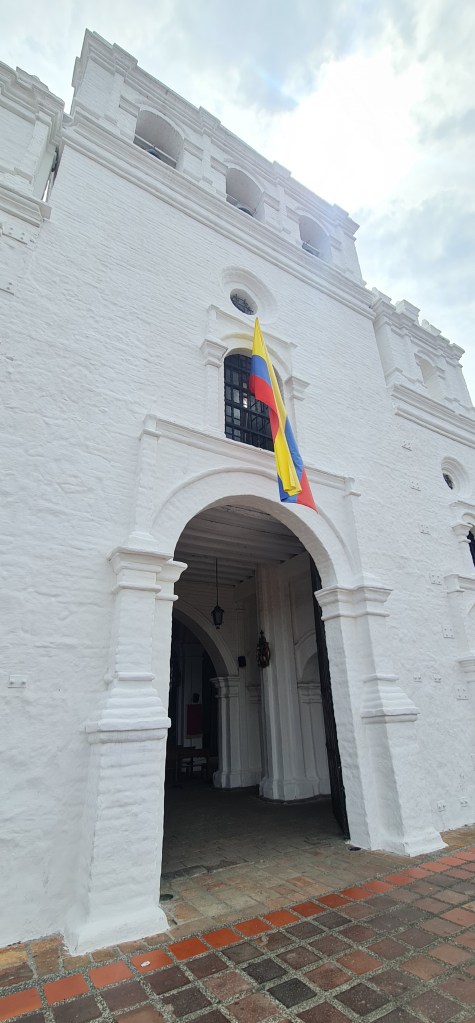
Church of Guadalupe
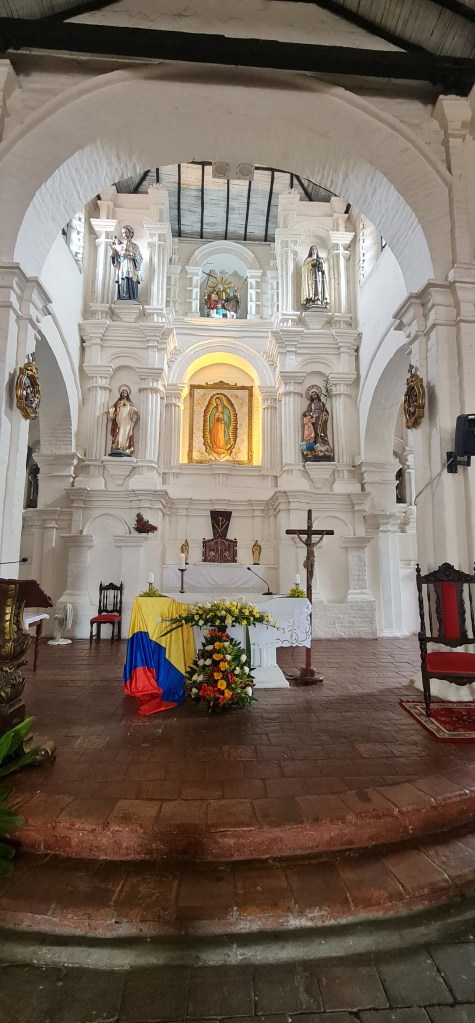
Church of Guadalupe
House of the Artisan (Casa Artesanal)
There is a really nice little store selling handicrafts in Pedro Morales Pino Plaza across from the Church of Guadalupe. It is a cooperative space where each artisan has her own space to sell her wares.

House of the Artisan
The city is seeing lots of public works improvements.
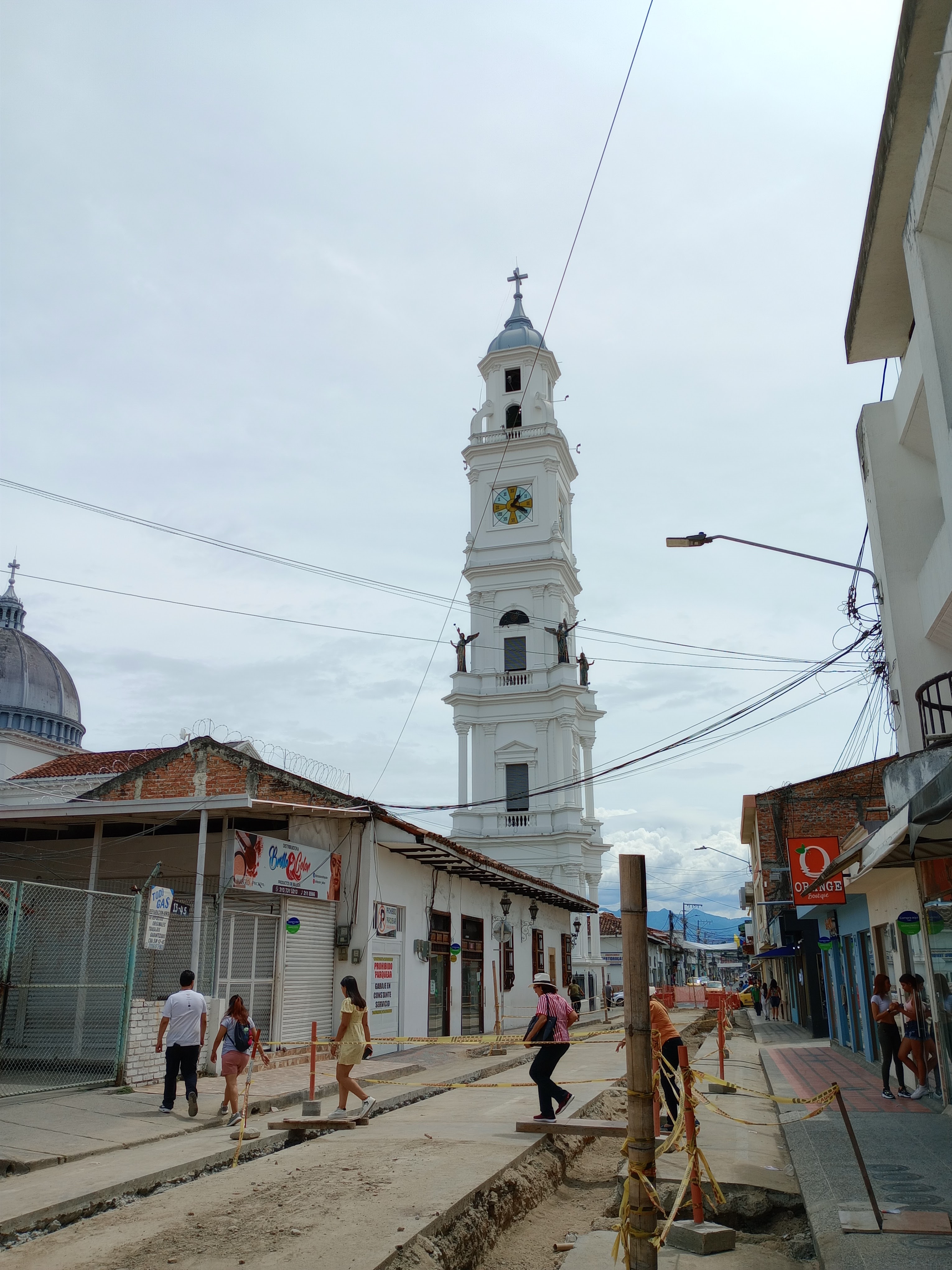
Church of Mt. Carmel bell tower

Church of Mt. Carmel
House of the Viceroy (Casa del Virrey)
The house of the Viceroy was built in the late 1700s (18th) century by the Marisancena family to allegedly receive the Viceroy José Manuel Ezpeleta.
The Pedro Morales Pino Music Conservatory is housed in the back half of the property.

House of the Viceroy
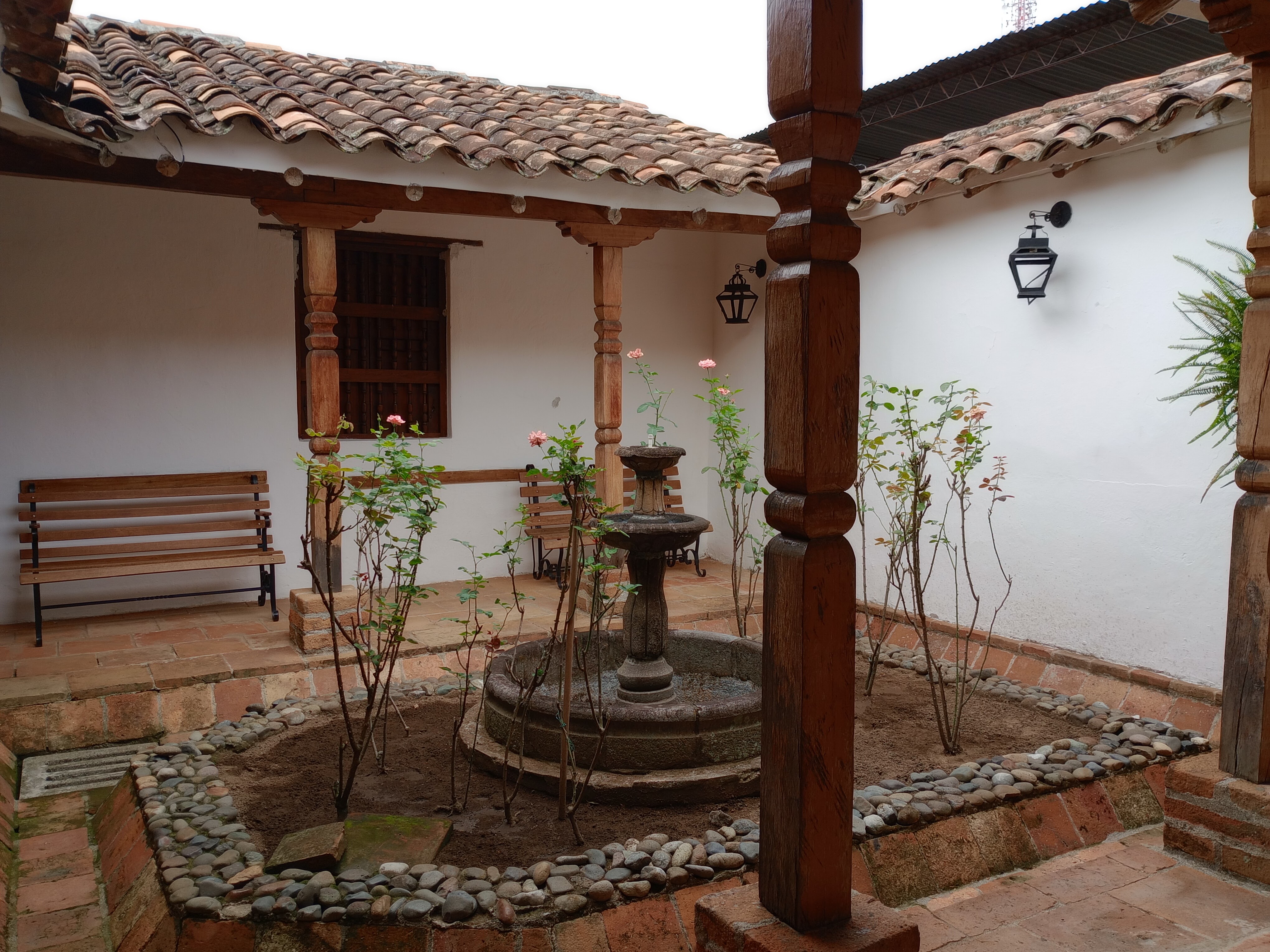
Interior courtyard, house of the Viceroy
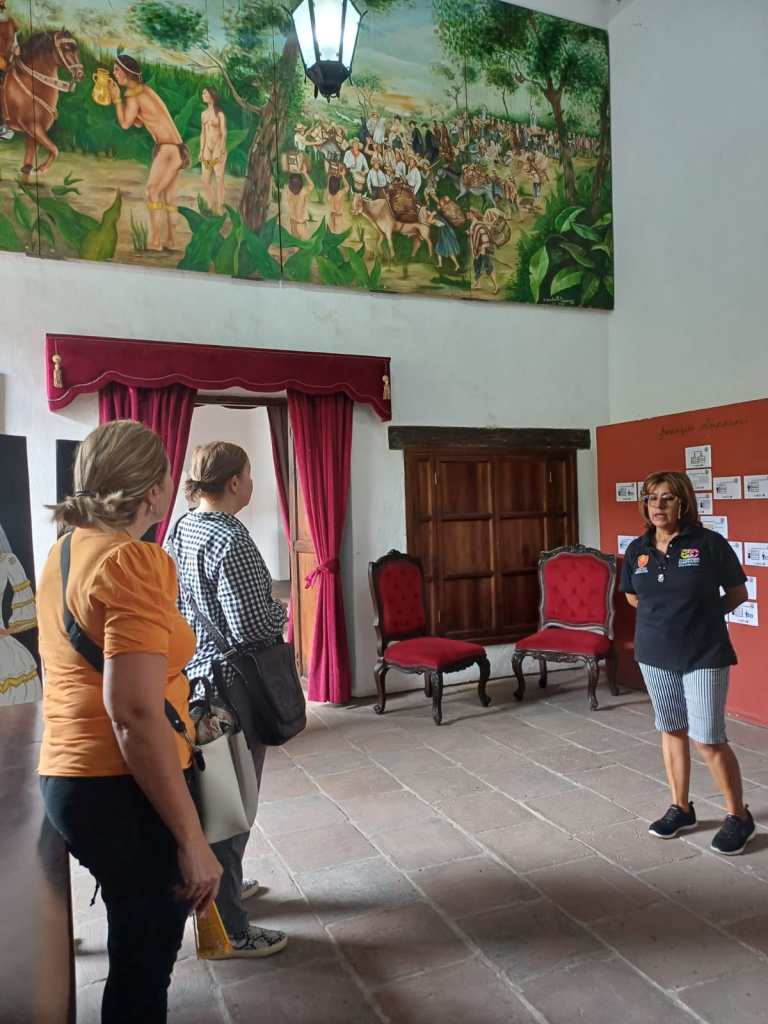
House of the Viceroy tour

Entrance, house of the Viceroy
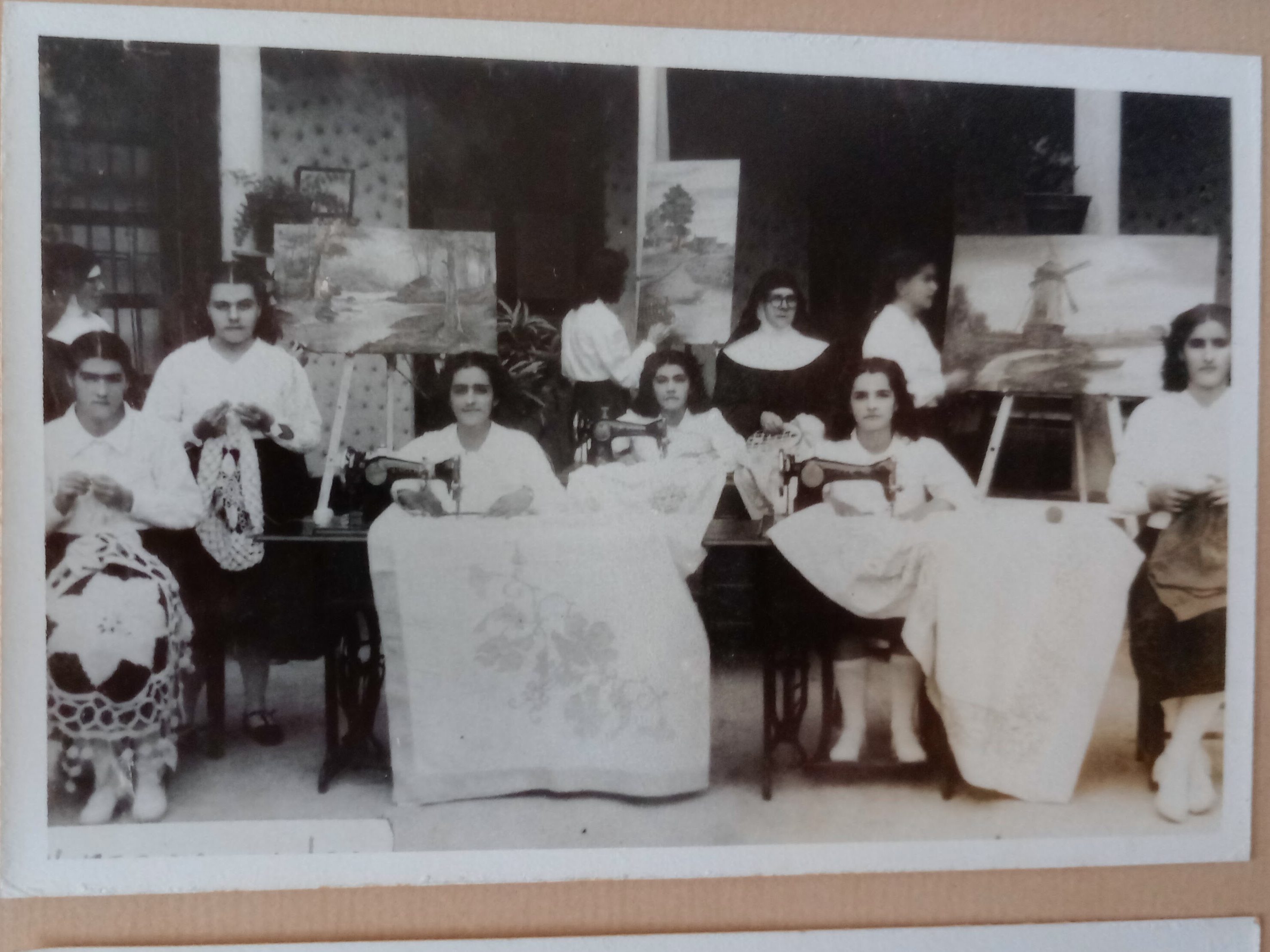
Sewing class at the María Auxiliadora (Mary help of Christians) School
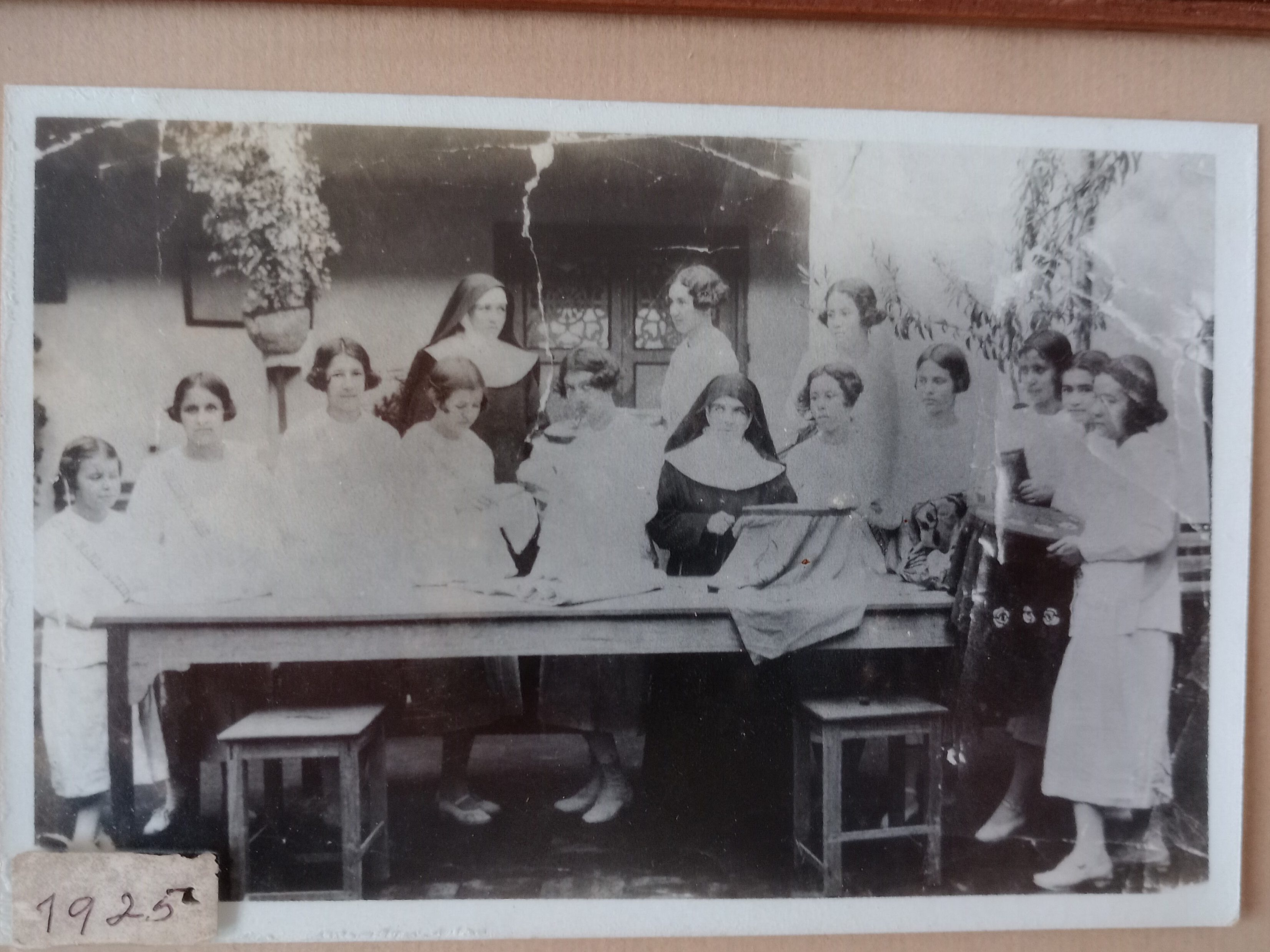
Embroidery class at María Auxiliadora School, 1925.
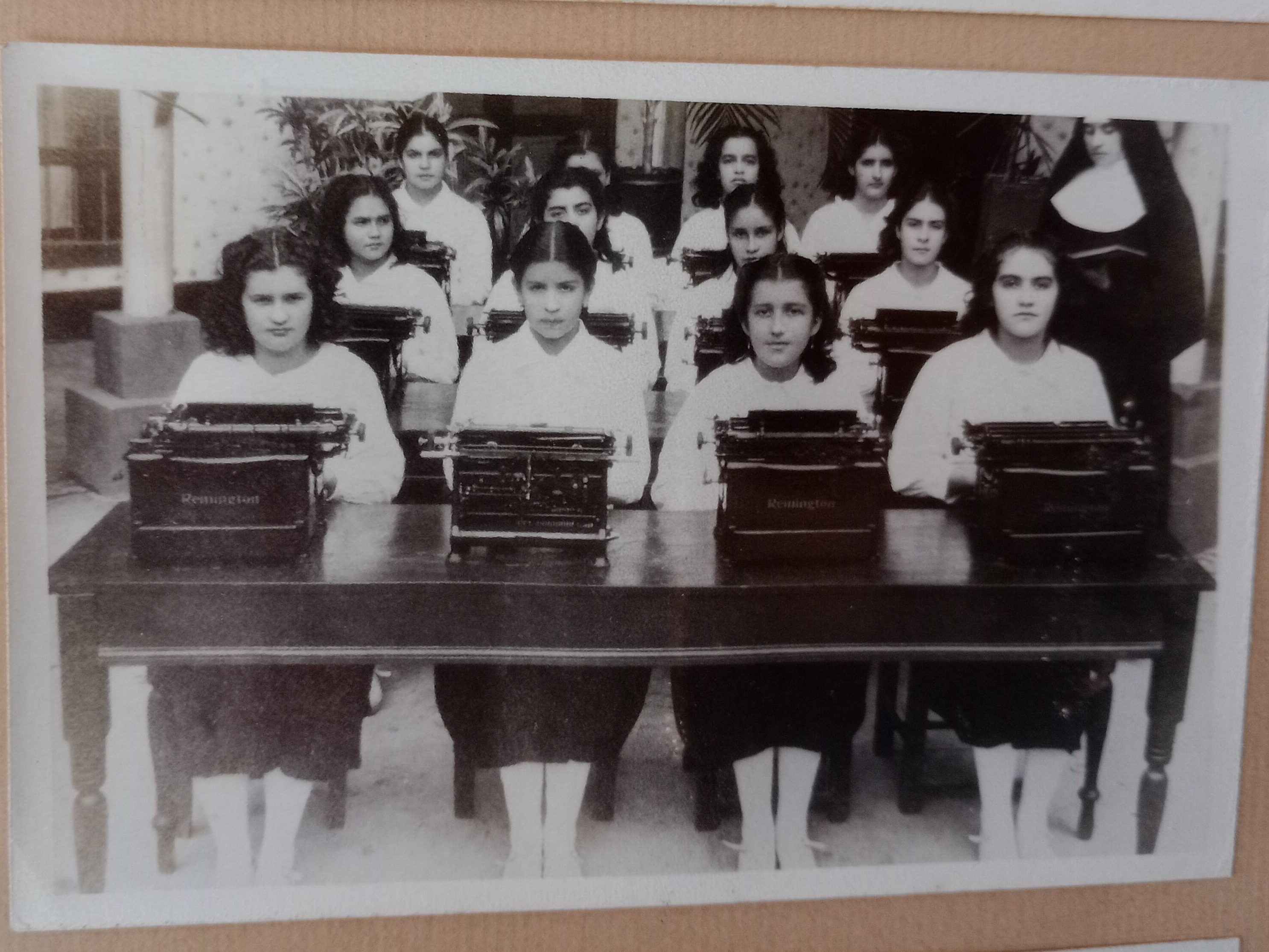
The girls also learned work skills like typing.
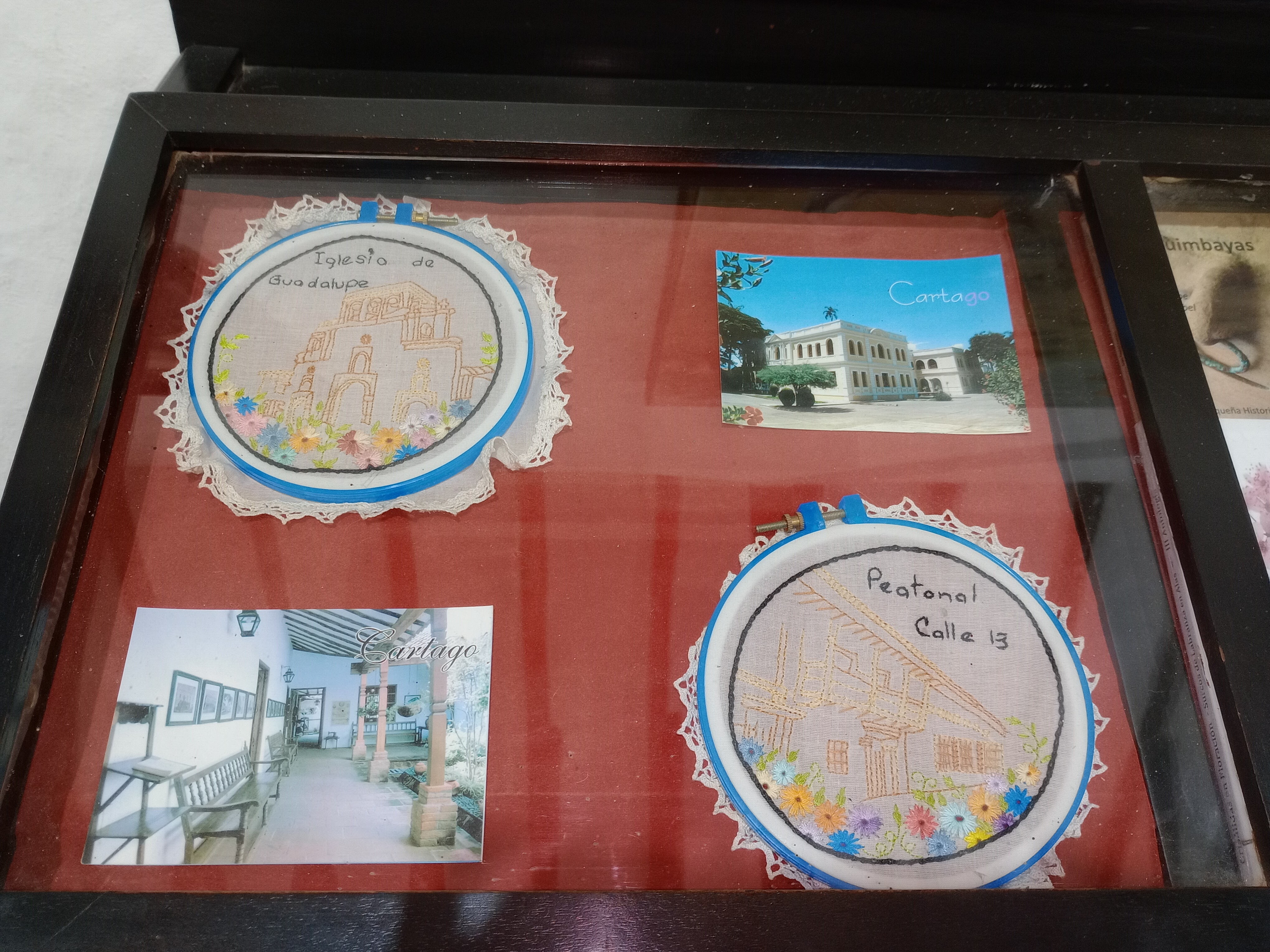
Embroidery is part of Cartago’s identity.
There is a saying in Cartago, Más cartagüeño que un bordado. It means more Carthaginian than an embroidery. It is used to describe someone or something that represents the city’s identity well.

Window, House of the Viceroy.
Cartago was founded on August 9th, 1540. It just turned 483 years old this year (2023.)
There is lots to see and do in this old city.
Share this:


 Empty Thimble